
When I first started thinking about finance, I did not connect it with my own background.
I studied gender studies and social justice, and most of my early exposure was through academic work and NGO internships. In that space, I never thought about investment banking recruiting or a Wall Street career.
That changed after a field research trip to Kenya. I saw how access to capital, not ideas, shaped real outcomes for communities.
That experience pushed me toward a Liberal Arts to Finance transition, even though I came from a non-finance background with no clear path into finance at the time.
I did not know it then, but I was already beginning to explore what breaking into Wall Street would actually require.
The Turning Point: From Theory to Capital
In rural Kenya, I saw microfinance tools like table banking in action. Women were using small, structured loans to rebuild income stability.
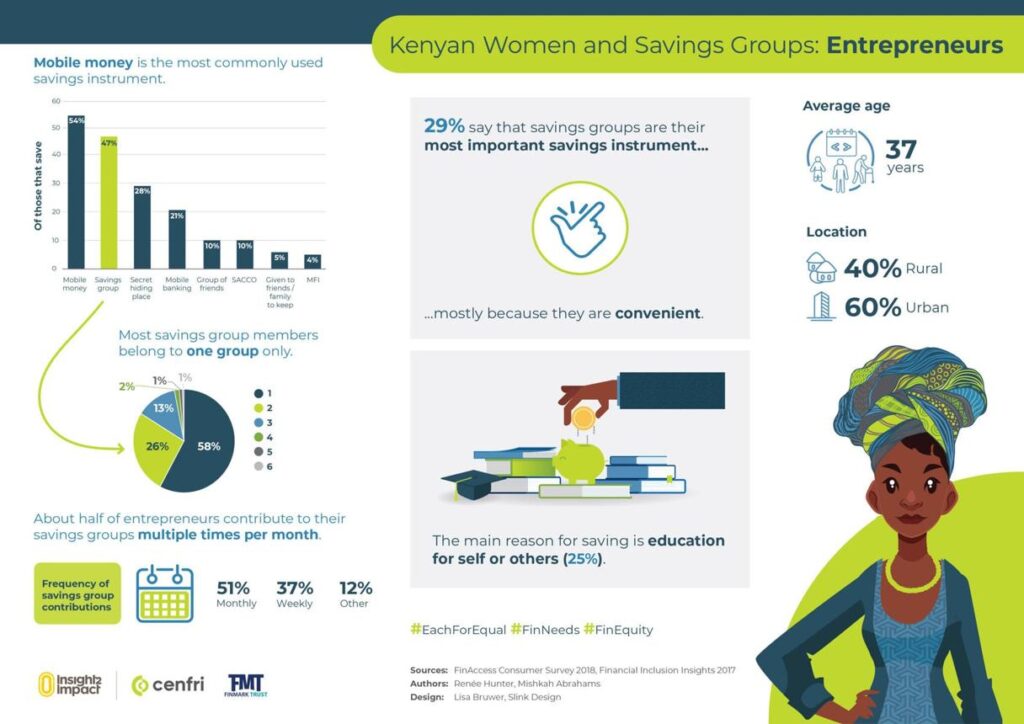
It was clear that financial systems, not just advocacy, were shaping outcomes.
That insight pushed me toward finance and later a move into finance at Barnard College.
At that stage, I still did not understand how competitive Investment Banking recruiting would be for someone with a non-finance background.
I only knew I wanted to move closer to where capital decisions were made.
Breaking into Investment Banking from a Liberal Arts Background
My early recruiting experience on Investment Banking was difficult.
My resume came from psychology research and NGO internships. It was academically strong, but it did not signal finance experience.
Most applications led nowhere.
Working with OSG
At this point, I started working with One Strategy Group career coaching and mentorship support to understand how a academic background profile could be positioned more effectively.
My mentor helped me structure how to position my academic background for finance roles in a more strategic way.
Two key shifts changed everything:
- Structured recruiting roadmap Instead of applying broadly, I mapped out desks and roles aligned with my analytical strengths. This made the recruiting process feel less random and more system-driven.
- Reframing networking conversations Rather than trying to sound like a finance insider, I leaned into preparation. I researched deals, market trends, and specific desks before every call.
This helped me shift perception from “candidate outside the traditional pipeline” to “informed peer.”
Instead of applying broadly, I began focusing on specific desks that valued analytical thinking.
I also changed how I approached networking calls. I prepared in detail before each conversation, including recent deals and market movements.
Over time, my positioning shifted. I was treated more like a prepared peer in recruiting conversations.
The Barclays S&T Internship Superday Experience
The Barclays S&T internship Superday was my first real exposure to how Wall Street interviews work at the final stage.
I had prepared technical answers, but the conversation quickly moved away from structured questions.
The Managing Director asked me to simply talk through my thinking.
We discussed macro trends and interest rates in a very informal way.
That experience showed me that a superday is not only about technical accuracy. It is also about how you think under pressure and how you communicate.
My Liberal Arts background helped me stay flexible in conversation, which became useful during my S&T internship interview process.
The Deutsche Bank Final Round and Offer Decision
After my S&T internship, I targeted a full-time role in Deutsche Bank’s Asset-Backed Securities team.

This stage of the hiring process felt more technical and more structured.
There were multiple rounds, including modeling tests and final Superday interviews.
At this point, I was no longer seen only as someone outside the traditional pipeline. I had real deal exposure from my summer role, which changed how interviewers evaluated my answers
The final rounds tested three things:
- Practical deal exposure from my previous internship experience
- Interest in structured finance
- Perspective shaped by an academic transition into finance
What stood out most in the final rounds was not just technical ability, but clarity of reasoning and consistency across conversations. Each of these helped differentiate me in a highly competitive pool.
Final Thoughts: Redefining Breaking into Wall Street
Looking back, the move into Wall Street was not a single decision. It was a sequence of small adjustments in how I learned, prepared, and communicated.
A non-finance background does not define the outcome. But it does change the way you need to approach investment banking recruiting.
The transition from liberal arts to finance was less about changing identity, and more about learning how to translate experience into a different professional language.