Student Cases

Investment Banking (Finance)
Investment Banking (Finance)
From Spring Rejections to Two Offers: A 16-Year-Old's HSBC London Comeback Story
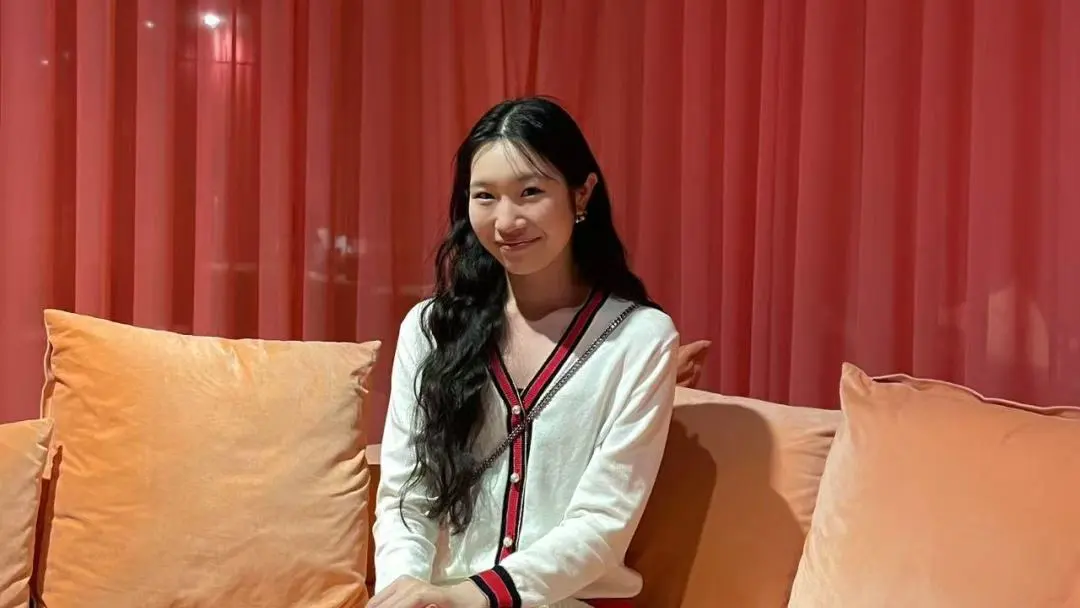
Jaden is a 16-year-old from Shanghai currently studying in London. After a spring internship season full of rejections, she secured an HSBC London spring internship offer — and with it, a fast-track shot at a 2027 summer internship — with OSG's structured mentorship. She is drawn to trading's blend of math, probability, and fast decision-making. Views shared in this article are her own.
Published on
November 4, 2026
11
min read
If I could travel back to the start of the year and tell myself that by the end of May, my 2027 summer internship would already be settled, I'd have called it a fantasy.
Back then, I didn't have a single spring internship offer. I'd written off the entire recruiting season, so defeated that I had my parents book a flight home right after Easter — at least I'd get to celebrate my birthday in Shanghai. Looking back now, it really feels like a dream I didn't dare to have.
Clear Likes, Clear Dislikes: Getting to Know Myself by Trying New Things
I grew up in Shanghai. If I had to describe myself in a few words, I'd say curious and always up to try something new.
Math was always a subject I was good at and genuinely enjoyed. What drew me to it wasn't the numbers themselves, but the way it taught me to think: face a complicated problem, find the variable that matters most, then break it down step by step instead of rushing to an answer. That habit of thinking later shaped how I chose my career. But I was never someone who cared only about math.
In high school, I first thought about applying to study economics. I did research projects, trying to use economic models and data analysis to make sense of real-world problems. I didn't end up continuing down that path, but the process showed me something important: I love applying tools to understand what's actually happening in the world.
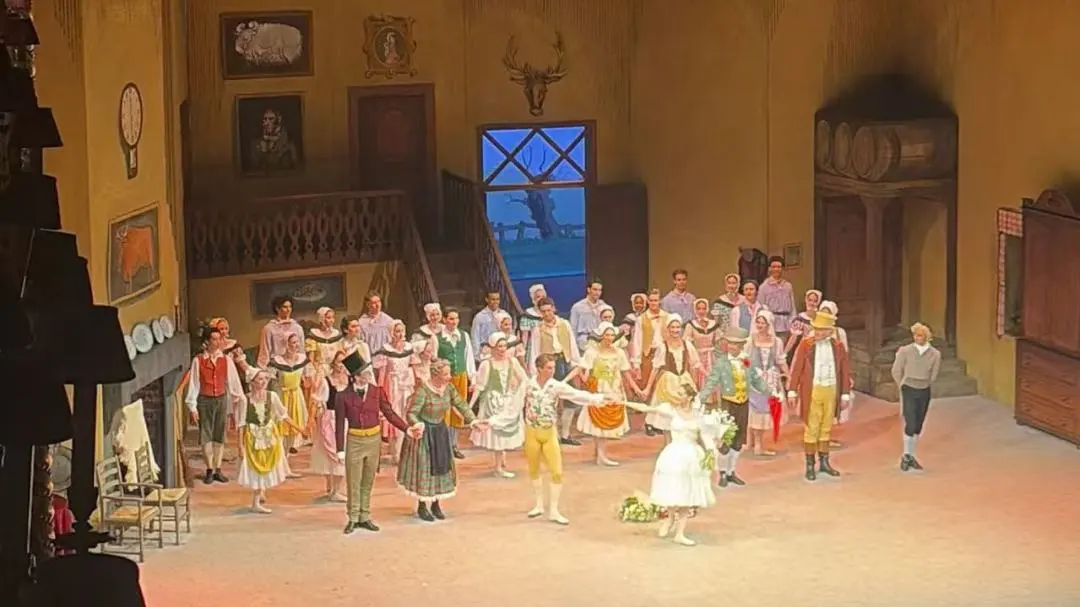
Outside of academics, I have a hobby that seems completely unrelated to finance: dancing. I started young and still dance today, both modern and ballet. For me, dance is both relaxation and self-expression. Math is about rigor and logic; modern dance is about feeling and creativity. I love the contrast between the two.
Here's a small thing that says a lot about me: I don't eat mango. Every time I mention it, people assume I'm allergic. I'm not — I just genuinely don't like the taste.
That little detail captures my personality pretty well: I know what I like and what I don't. I don't change my preferences easily just because of outside pressure.
I brought that same attitude to my studies and career choices. Moving from Shanghai to London, I didn't start out with a clear career goal. I got to know myself by trying things. One of the most important lessons I've learned: you don't need to have all the answers from day one — you just need to be willing to try, and honest about what you actually like and what actually fits.
Finding Direction: When the Tide Finally Turned
My interest in finance didn't appear overnight. It built up gradually — through classes, internships, and different programs.
After starting my first year, I kept building finance-related experience: preparation internships, exploratory programs, you name it. And yet, going into this year, I still had no spring internship offer. After one rejection after another, I was close to giving up on the season entirely and booked my flight home.
Then, at the very last stretch of the 2026 spring internship cycle, I finally secured an offer at HSBC London. It felt like rain after a long drought — and better still, there was a fast-track route to push for a 2027 summer internship early. I wanted to seize it. On top of that, several first-year students I knew who'd joined OSG earlier had already landed solid spring offers, so I decided to join OSG for more targeted preparation.
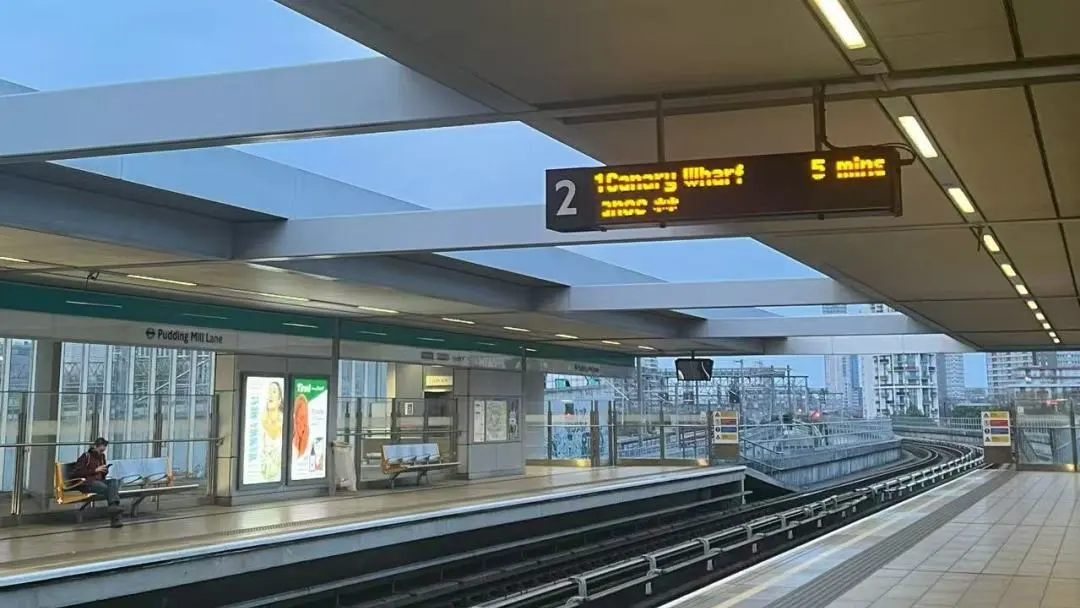
During my days at HSBC, I got my first real look at how a bank is structured. Bankers from different divisions talked about their work and their lives, and we explored our interests through a series of games. We were also taken to the trading floor — the first time I'd seen, outside of movies and TV, the six screens in front of every trader. I got a close-up view of how different desks operate, and started to understand how traders make decisions based on market information, client needs, and risk exposure.
I realized I loved that rhythm: the market never stops changing, no one has all the information, and you still have to form a judgment within a limited window.
With help from my OSG mentors, I went on to join early programs at Optiver and Goldman Sachs. In Optiver's trading simulation, I especially enjoyed adjusting quotes and strategy as new information came in, and managing risk along the way. It confirmed what I'd suspected: compared to long-cycle research, I prefer work that demands quick analysis and fast reactions.
At Goldman Sachs, over two days, I rotated across eight different trading desks, learning what each desk trades and how its traders spend their days. The one that stuck with me most was Equity Emerging Markets. It gave me a clear picture that trading isn't just about hunting for profit opportunities — it's about knowing exactly what risk you're taking, and knowing when to turn down a trade.
Those experiences helped me see that what I truly love is the way trading works: using math and probabilistic thinking to make sense of uncertainty, processing new information quickly, owning my judgment, and learning continuously from market feedback.
Building a Framework: How I Learned to Form My Own Views
As recruiting moved into formal interviews, I realized I needed more than knowledge — I needed targeted preparation: how to tie scattered experiences into one coherent story, how to adapt my answers to an interviewer's background, and how to show my thinking process in a limited amount of time.
My lead mentor was Amber. She supported and encouraged me the whole way, and more importantly, she respected my opinions. If I felt a certain area needed more work, I'd talk to her about adjusting the mentor arrangement so we spent time where I needed it most. She always listened — she never forced me into a rigid plan.
During preparation, I found Markets much harder than Technical. Technical interviews at least have a clear knowledge framework you can master through systematic study and practice. Markets, on the other hand, have almost no boundary: every day brings new economic data, policy changes, and breaking news, and there's no way to predict what an interviewer will ask.
Early on, I'd read a lot of news but struggled to connect the dots — I didn't know how to move from one headline to its market impact and a trading view.
For a while I was genuinely anxious; the more I read, the more scattered I felt. Luckily, my mentor guided me through it, teaching me frameworks to organize market information and file each piece of news into its logical slot. Whenever I got stuck, she'd break it down with me patiently — where to start, how to extend it into market impact and a trading opinion.
Gradually, I learned to organize market information with frameworks instead of just memorizing headlines. Interviews aren't a test of how much news you know — they test whether you understand the logic underneath, and whether you can adjust your view when new information arrives.

When the Plan Fell Apart: Staying Calm Under Pressure
One small plot twist happened right before my final round. I'd spent an entire weekend building a macro narrative on the Middle East situation, complete with full analysis and interview answers. On the morning of the interview, the story I'd prepared was completely upended by overnight news. My first thought: did I just waste an entire weekend?
I rushed to ask for help in my OSG mentor group. Everyone was great — they calmed me down and helped me rethink. My mentor told me something that clicked instantly: interviewers don't necessarily need your view to be perfectly right; what matters is whether you can clearly explain your judgment and the core assumptions behind it.
That one sentence pulled me back from panic. Instead of throwing out everything I'd prepared, I focused on what the new information actually changed and which long-term judgments still held. Looking back, those few timely reminders were exactly what steadied me.
I also remember an interviewer asking how I felt about staying positive. Without thinking, I blurted out: "I don't agree with that at all." I realized immediately that it sounded way too blunt — the interviewer seemed taken aback.
Here's what I meant: no one can stay positive all the time. When you hit setbacks, feeling frustrated, anxious, or even wanting to quit is completely normal. What matters isn't forcing yourself to stay positive — it's trusting, no matter what mood you're in, that things will eventually turn around, and that you're capable of finding your way step by step.
Looking back, that moment is pretty funny, and very me. I wasn't trying to argue with the interviewer — I just had a clear opinion on the question and said it a little too directly. Luckily, the interviewer was willing to hear me out, and we ended up having a great conversation.
When the offer call came, the HR rep told me the MD from my interview really liked me. Hearing that, my mind went straight back to all the moments of that day. It's strange how things work out.
Looking back, this journey gave me more than a result — it gave me moments where people were there to solve problems with me.
Recruiting is full of uncertainty, and I'm grateful I wasn't facing it alone. What OSG gave me was the confidence that comes from solving problems together — having people who help you break uncertainty into small, manageable pieces. That itself is precious.
The person I want to thank most is Amber. During preparation, I hit a stretch of burnout and low motivation, and she was the one who reminded me to pull myself together. She'd patiently help me organize my content and walk through the key points one by one, which gave me so much peace of mind. And when the good news came, she celebrated with me — her genuine happiness made me feel truly seen. Her company and support made me feel like someone always had my back.

So here's my message: don't be afraid. You don't need all the answers from the start. When change comes, figure out what's changed and what hasn't — then keep moving forward.
You can never walk into a room perfectly prepared. What actually helps is having a way of thinking that keeps working when new information arrives — and believing in your ability to find your footing again.
*Disclaimer: OSG has no cooperation/affiliation with the companies mentioned in the article; OSG students enhance their abilities through OSG services and secure offers through regular campus recruitment/social recruitment channels.
Free Career Planning Session
Book a free 1-on-1 session with an OSG mentor and map out your path to top firms!
Book Your Free Session →Ready to Write Your Own Success Story?
Book a free 1-on-1 session with an OSG mentor and map out your path to top firms!
Book Your Free Session →