How to Get a Job in Investment Banking in 2026: Wall Street & M&A Guide
Learn how to get a job in investment banking in 2026—from M&A and Wall Street recruiting to target schools, networking, resumes, and interviews. Expert IB career guidance from OSG.
Published on
August 5, 2025
5
min read

Ambitious minds are attracted to global prestige and a fast-paced, high-stakes environment of investment banking. However, landing one such coveted job on Wall Street is far from easy. It almost feels like cracking an invisible code to figure out how to get a job in investment banking because of intense competition, long hours, and incredibly high standards. This article will walk you through the real steps you need to take to secure your spot on Wall Street and how One Strategy Group (OSG) can help get you there.
How Investment Banking Works
Before we begin with your job hunt, it is important to understand what investment bankers actually do. In simple terms, investment banks are intermediaries in large financial transactions. As an analyst or associate, your responsibilities may include:
- Financial modeling
- Company valuation
- Pitch book creation
- Due diligence
- Working on mergers and acquisitions (M&A) or initial public offerings (IPOs)
The core divisions of most banks include:
- M&A (Mergers & Acquisitions)
- Capital Markets (Equity & Debt)
- Sales & Trading
- Asset Management
- Research
When you understand these areas, it helps you tailor your preparation and networking strategy. It’s something we heavily focus on in our 1-on-1 OSG coaching sessions.
Types of Investment Banks: Bulge Bracket & Elite Boutique
If you’re looking at jobs in investment banking, it's highly likely that you’ve come across the terms Bulge Bracket and Elite Boutique. Bulge Bracket banks are massive, full-service firms like:
- Goldman Sachs
- JPMorgan
- Morgan Stanley
They handle everything from trading to asset management, and their investment banking graduate jobs are among the most competitive.Then there are elite Boutiques, such as:
- Evercore
- Lazard
- Centerview
They focus exclusively on advisory services, especially M&A. They often offer faster promotion timelines, higher bonuses, and more deal exposure at junior levels.
How to Get Into Investment Banking: Breaking the "Invisible Barriers"
So, you often ask, How to get a job in investment banking? Beyond the resume and GPA, the real challenge lies in clearing what we call the "invisible barriers. " These are those factors that aren’t always listed in job postings but are extremely important if you want to land offers.
1. Academic Requirements / Key Skill Development
Top investment banks usually recruit juniors from target universities. They have a preference for candidates from finance, economics, or business backgrounds. But academic pedigrees alone won’t get you in. You must also demonstrate the following capabilities as well:
- Strong financial modeling skills
- Analytical thinking
- Excel and PowerPoint mastery
- Solid understanding of valuation methods (DCF, LBO, comparable companies)
Bulge brackets and elite boutiques recruit heavily from roughly 15–20 target schools, and acceptance rates at elite banks run under 1%, with banks hiring only about 2,000 analysts per year in the U.S. But target school isn't destiny: roughly 15–20% of bulge-bracket analyst classes come from non-target schools—the difference is they break in through aggressive networking, off-cycle roles, and boutique pathways rather than on-campus recruiting.
If you are not from targeted schools, it's still 100% possible to land Wall Street jobs if you build these skills through curated online resources, case study simulations, and mock assignments.
2. Internship Experience
Most entry-level investment banking jobs are filled through internship conversion. A summer internship at a Bulge Bracket or Elite Boutique is almost a prerequisite now. That means you need to start preparing for internships during your second year of college.OSG coaches students on how to win spring weeks, sophomore internships, and off-cycle roles. These are the key stepping stones to a full-time offer.
3. Networking and Relationship Building
Investment banking recruitment runs on relationships. The majority of investment banking roles are filled through referrals and internal recommendations rather than cold applications, so if you really want to know how to get a job on Wall Street, you must master the art of networking. Building connections with alumni across global investment banks enables warm introductions and informational interviews that lead to actual job interviews. Consistent networking also keeps you visible for off-cycle and last-minute openings, which come up year-round as banks replace analysts who leave.
4. Resume Construction
A generic CV won’t get you through the door. Your resume should reflect quantifiable achievements, leadership, and a clear story of “why IB.” You'll also have to tailor resumes and cover letters that speak the investment banker’s language.
5. Interview Process
Interviews typically include:
- Technical questions (such as walk me through a DCF)
- Behavioural questions like telling about a time you worked in a team
- Market-based questions (such as what’s happening with interest rates?)
You'll have to practice rigorous mock interviews with real bankers, get detailed feedback from them about your performance, and the industry-specific practice. All of this practice will help you walk in confidently.
6. Identity and Visa Issues
International students often face additional obstacles like work visa sponsorships. Nowadays, this problem is at its peak.
How to Get a Job in M&A (Mergers & Acquisitions)
M&A is one of the most competitive and sought-after paths within investment banking. A first-year M&A analyst at a bulge-bracket bank in New York typically earns total compensation in the $195,000–$245,000 range, working 80–100 hour weeks building three-statement models, running DCF valuations, and comping targets against precedent transactions.
Breaking into M&A follows the same recruiting funnel as the rest of IB, but with two added pressures:
- Timeline is brutal. Summer analyst applications now open 12–18 months before the start date—Goldman Sachs and JPMorgan opened Summer 2027 applications in December 2025 and January 2026. If you wait until junior year, you're already behind.
- Deal fluency matters. M&A interviews go deeper on valuation and deal mechanics. You should be able to walk through a recent transaction in your target group and explain why it happened.
If on-cycle recruiting closes without an offer, the proven backup paths are: a stepping-stone role (Big 4 transaction services, corporate finance, equity research), then lateraling into M&A within 18–24 months—or a top MBA to recruit for the post-MBA associate class.
Why Choose OSG?
At OSG, we specialize in breaking invisible barriers. Our career consulting services are designed specifically for those who target investment banking graduate jobs and entry-level investment banking jobs in top-tier firms. Here's how we help:
- 1-on-1 Career Coaching: We provide tailored guidance through every stage. You'll be guided at every step of your way from skill-building to the final offer.
- Extensive Networking Resources: You can leverage our extensive alumni base across Bulge Brackets and Elite Boutiques and grow your network.
- Resume + Interview Prep: Our expert industry insiders review your materials and conduct mock interviews.
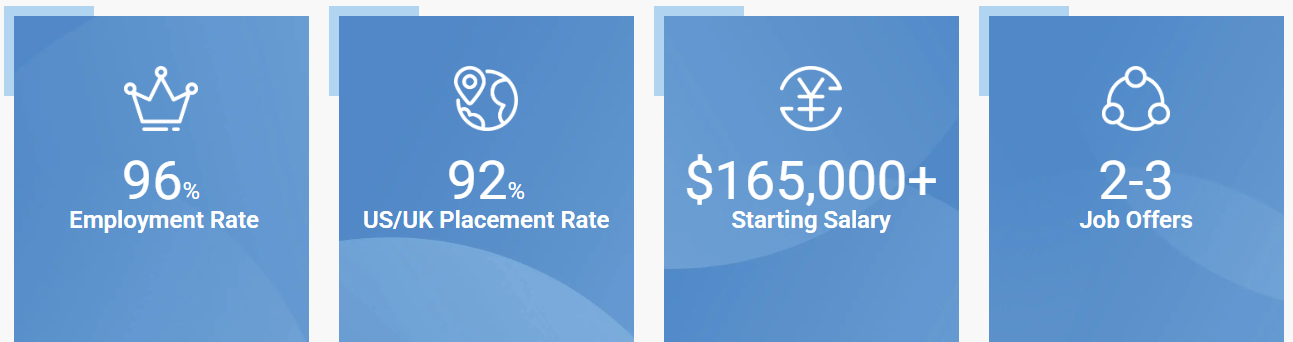
- Proven Success: 90%of our students receive offers from their top-choice employers, and 92% earn a starting salary of $165,000 or higher.
If you’re serious about figuring out how to get a job in investment banking, you don’t have to do it alone. Our expertise and insider knowledge give you a competitive edge in a highly selective field.
Final Thoughts
If you want to crack the code to jobs on Wall Street, it requires more than intelligence. It requires strategy, preparation, and access. If you’re a student at a non-target university or an international student dealing with visa challenges, OSG can help you navigate the hurdles and land your dream role in investment banking.So, if you’re wondering how to get a job on Wall Street, don’t leave it to chance. Let’s take the next step together.

Free Career Planning Session
Book a free 1-on-1 session with an OSG mentor and map out your path to top firms!
Book Your Free Session →Ready to Write Your Own Success Story?
Book a free 1-on-1 session with an OSG mentor and map out your path to top firms!
Book Your Free Session →Explore More Resources

Frequently Asked Questions
Breaking into Wall Street and M&A comes down to four things: relevant skills (financial modeling, valuation), an internship that converts to a full-time offer, a strong network of referrals, and rigorous interview prep. Most full-time analyst seats are filled from summer internship classes, so the path starts early—often 12 to 18 months before the role begins.
A staffer is a senior analyst or associate who assigns deals and projects to junior bankers within a group. Getting strong staffings early shapes the deal experience that drives your later exit opportunities, such as private equity.
Yes. OSG specializes in helping students at non-target universities and international students break into investment banking through 1-on-1 coaching, networking access across bulge brackets and elite boutiques, and resume and mock-interview prep. If on-campus recruiting isn't an option, this is exactly the gap our coaching is built to close.