



Student Cases

Investment Banking (Finance)
Investment Banking (Finance)
How a Non-Stern NYU Student Landed a Barclays NY Investment Banking Offer
An NYU Liberal Studies graduate who broke into bulge bracket investment banking. She shared her full recruiting journey, including cold email networking, mock interview practice and how she conquered anxiety before Barclays final round with OSG’s professional mentor team.
Published on
August 12, 2026
8
min read
Before the Milestone: Months of Self-Doubt
It was New Year’s Eve during my sophomore year. I sat by the hallway window on the first floor of NYU Bobst Library—the spot where I’d pulled countless all-nighters. The library was usually packed with students debating finance and rushing to study, but that night, the whole floor was eerily quiet, almost empty.

That’s the raw reality of finance recruiting: exhausting, drawn-out, and incredibly lonely.
Staring at the empty reading room, a question hit me hard. Why keep grinding through technical drills and behavioral rehearsals when I truly believed I’d never land an investment banking offer? This wasn’t false modesty; deep down, I thought my odds of success were slim.
My Perfectionist Mindset Held Me Back
I’ve always been an all-or-nothing perfectionist. If a path didn’t guarantee clear success, I struggled to push myself to start at all. A voice constantly lingered in my head: What’s the point of pouring hundreds of hours into recruiting if I’m just going to get rejected anyway?
I’d grown curious about finance from a young age. Growing up in Beijing, I’d listened to my dad and his friends talk through investment deals and market trends, which sparked my interest in Wall Street careers. Still, casually hearing about finance at home was worlds apart from actually breaking into the industry.
I joined OSG the summer after high school graduation. I didn’t sign up fully convinced I’d walk away with a formal offer; I just wanted to build real industry skills. I’m grateful my parents never treated recruiting prep as an all-or-nothing gamble. They told me that even if I never stepped foot in an investment bank, the professional abilities I built at OSG would benefit me for decades.
When I enrolled at NYU, that black-and-white perfectionist mindset stuck with me all through freshman year. As a Liberal Studies & CAS student, almost none of my peers were prepping for banking recruiting. Meanwhile, every Stern classmate around me seemed to have a fully mapped-out recruiting roadmap.
I stood frozen, stuck before I even began. It wasn’t a lack of motivation—I was terrified of pouring in hours only to walk away empty-handed.
The Turning Point: I Stopped Waiting to “Be Ready”
The summer after my freshman year changed everything. I’d finally recovered from the chaotic transition to college life, and I spent nearly every day drafting cold emails to bankers across major investment banks.
Sending out dozens of outreach messages made me realize: Standing still would never bring me closer to my career goals. I couldn’t afford to wait until I felt “100% ready” to take action.
With consistent encouragement from OSG’s mentor team, I forced myself to dive into networking. My first coffee chat took place at a small café in Tribeca, Manhattan. I showed up in a full formal suit, feeling completely out of place and overwhelmed by the finance world around me.
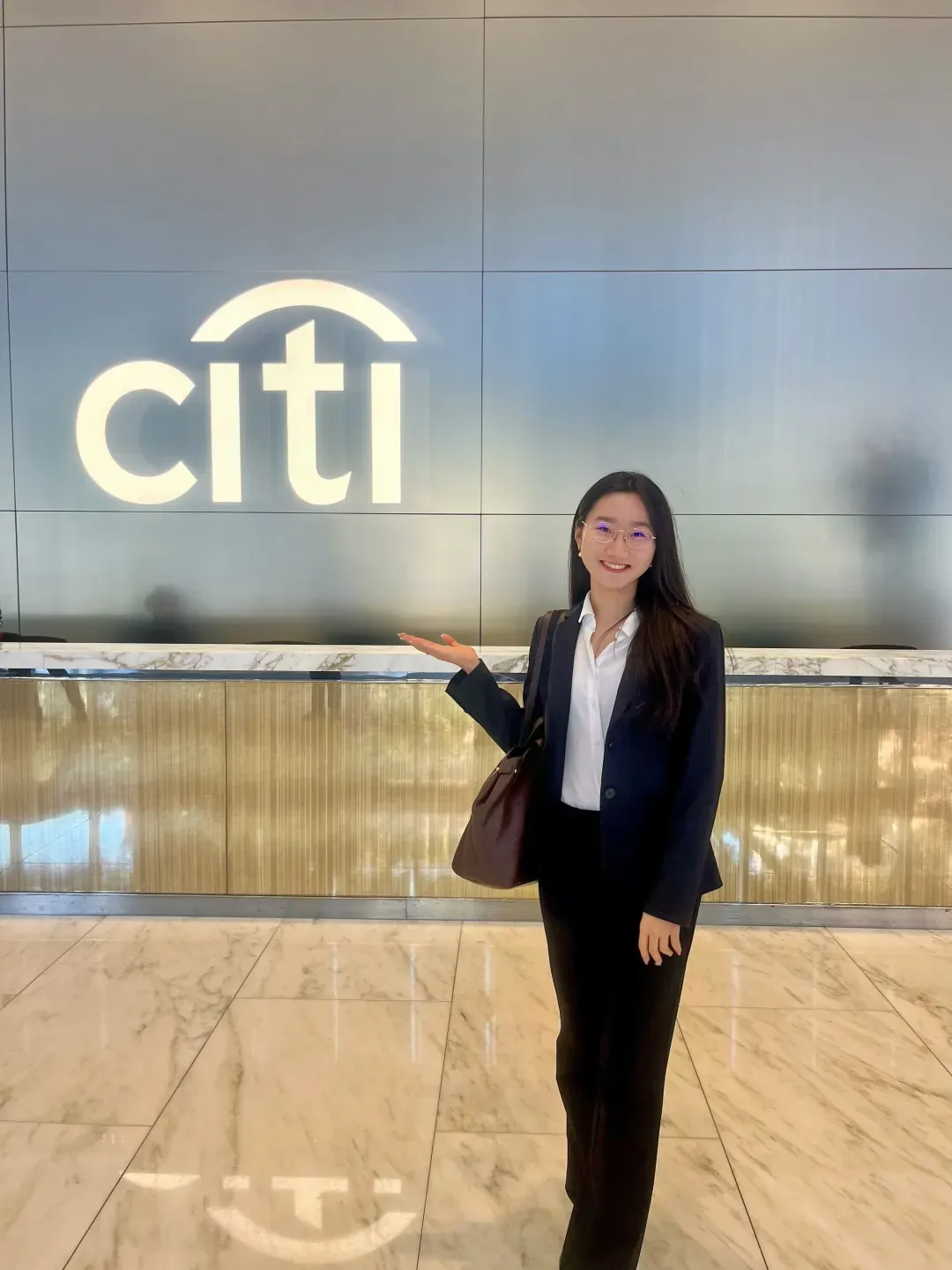
I’d met this senior banker at an on-campus info session days prior. To get ready for our chat, I researched every milestone on her 10-year career path and drafted pages of thoughtful discussion prompts, even rehearsing our entire conversation in my head dozens of times.
The actual talk was nothing like my nervous mental rehearsal. We chatted about our career paths, personal hobbies, daily life in New York, and how each of us navigated tough recruiting hurdles. It hit me then: those polished, intimidating bankers you see on LinkedIn have personal stories, and they’re happy to offer guidance to undergrads going through the same struggle.
This single conversation rewrote my entire perspective on networking. Coffee chats aren’t high-pressure mini-interviews—they’re chances to connect with another professional. Beyond learning about job duties, I got to picture what my life would look like if I followed their career track. After each chat, I asked myself honestly: Would I enjoy this lifestyle five years down the line?
As I connected with more industry professionals, my confidence grew steadily. I’ve always loved meeting new people and hearing their unique stories, so networking slowly became my favorite part of the whole recruiting cycle. I also learned a vital lesson: You don’t need a NYU Stern diploma to unlock investment banking interview opportunities.
Slow replies started rolling in from my cold email outreach, and I landed multiple boutique banking internships. Each role filled blank space on my resume and quietly built up my professional confidence.
Unexpected Good News After Crushing Disappointment
Once formal recruiting season kicked off, my daily routine locked into a strict cycle: classes during the day, coffee chats squeezed into every spare afternoon, and nights spent grinding technical questions, behavioral stories and full mock interviews. I survived on 5 to 6 hours of sleep for three straight months—recruiting felt like an unpaid full-time job.
One rejection hit me harder than any other: I advanced all the way to JPMorgan’s final round and left the interview feeling confident about my performance. I waited eagerly for follow-up calls or emails, only to hear total radio silence. I couldn’t stop overthinking: If I gave my absolute best and still got turned down, does that mean I’m simply not qualified for banking?
I never navigated this stress alone. OSG’s mentors stood beside me every step. Belle kept me updated on shifting Wall Street recruiting trends, while Finn walked me through endless behavioral rehearsals until every answer felt genuine and aligned with my personality.

I still remember one evening before a critical interview: I scheduled ten back-to-back mock sessions, and the OSG team stayed through every single practice run without complaint. Their dedication inspired me to pay this mentorship forward to future students once I established my own career.
Recruiting works in unpredictable ways. Right after I wallowed through that JPMorgan rejection, I received a final-round interview invite from Barclays. I’d only submitted my Barclays application on a whim, with zero high expectations. I breezed through two preliminary phone screens and advanced straight to the superday.
Everything happened so fast I could barely process it. Just days after questioning my entire career fit, I was prepping for another elite bank’s final interview.
Anxiety still crept in the night before my Barclays superday. I stared at my screen reviewing interview agendas, my mind tangled with racing worries. I messaged Belle for support immediately.
Her short reply stuck with me forever: “I know you’re scared, so let’s do it scared.”
That line didn’t erase my nerves or grant instant confidence. It taught me the core truth of recruiting success: Confidence isn’t a prerequisite for taking action—it’s okay to move forward even when fear holds you back.
The next morning, I arrived at Barclays still shaky, sweaty palms and rehearsed prompts looping in my brain. But once I sat down with my interviewer, my nerves faded fast. Our conversation flowed naturally, and the hiring team kept a warm, relaxed tone through the whole superday.

I sent a personalized thank-you email after our talk, and the interviewer replied with detailed, positive feedback. I didn’t let myself get overly hopeful—I just figured I hadn’t completely messed up the conversation.
Two days later, I picked up the offer call. When I heard “Congratulations, you’re exactly the candidate we’re looking for,” every late night, every moment of self-doubt, and every rejected outreach message finally felt worthwhile.
For the next week, I caught myself grinning while walking across campus. Anyone passing by could tell something huge had gone right for me.

True Growth: What I Learned About Courage
Many readers ask what valuable lesson recruiting taught me, beyond landing an investment banking offer. The real transformation was how I redefined courage.
I once thought successful professionals never feel fear. Now I know everyone battles anxiety—they just refuse to let fear make their decisions for them.
Confidence is never your starting point; it’s your end result. It comes after sending hundreds of unanswered cold emails, scheduling coffee chats that lead nowhere, reworking broken technical answers, and walking into interview rooms with a racing heartbeat.

If I could go back and speak to my nervous freshman self, I’d say this: Don’t wait until you feel fully prepared to start recruiting— that perfect moment may never arrive.
Never measure your own progress against other candidates’ timelines. The Wall Street space is full of applicants with fancier school brands, longer internship resumes, and earlier offer wins. That doesn’t diminish your own growth journey.
I came from NYU’s non-Stern program, yet I still worked my way to a bulge bracket banking role. Celebrate other students’ wins, learn from their strategies, but never write off your own progress just because others move faster. Every small step forward counts, even if your path winds slower than peers’.
Courage doesn’t mean feeling zero fear. It means moving forward anyway, even when worry weighs heavy on you.
Now, whenever I catch myself wondering “What if I fail?” I have a calm answer ready: So what? At minimum, I gave the recruiting process my full effort.
*Disclaimer: OSG has no cooperation/affiliation with the companies mentioned in the article; OSG students enhance their abilities through OSG services and secure offers through regular campus recruitment/social recruitment channels.
Free Career Planning Session
Book a free 1-on-1 session with an OSG mentor and map out your path to top firms!
Book Your Free Session →Ready to Write Your Own Success Story?
Book a free 1-on-1 session with an OSG mentor and map out your path to top firms!
Book Your Free Session →Explore More Resources



Frequently Asked Questions
Barclays NY investment banking final rounds prioritize core valuation knowledge including DCF, LBO and comparable company analysis. Interviewers also test basic accounting concepts (3 financial statements linkage) and recent capital market trends. OSG mentors provide bank-specific technical drills tailored to Barclays’ regular question styles.
Focus on cold email outreach targeting alumni who studied Liberal Studies/CAS at NYU, schedule low-pressure coffee chats, and follow up with personalized thank-you notes. Avoid generic template messages; tie your campus experience to Barclays’ industry groups to stand out from hundreds of applicants.
Do repeated bank-specific mock interviews with experienced front-office mentors like OSG’s Belle and Finn. Instead of chasing zero nervousness, accept anxiety as normal and focus on genuine, personal storytelling—Barclays hiring teams prioritize authentic candidate personalities over scripted perfect answers.



.jpg)