



Student Cases

Investment Banking (Finance)
Investment Banking (Finance)
How an INFP NYU Stern Student Secured Four Bulge Bracket Summer Investment Banking Offers
An NYU Stern double major in Finance & Data Science, a sensitive INFP personality who once doubted if introverted traits fit investment banking. She landed four bulge bracket summer internship offers after systematic recruiting training with OSG’s full mentor team.
Published on
August 13, 2026
6
min read
My Unique Sensitivity as an INFP
I have always been a classic INFP, often referred to as the butterfly personality type. I can easily pick up subtle shifts in others’ tones and fleeting changes in facial expressions that many people overlook.
When I was young, I could stare at a painting quietly for hours. It was not that I loved painting intensely, but watching colors unfold on canvas calmed my busy inner thoughts.
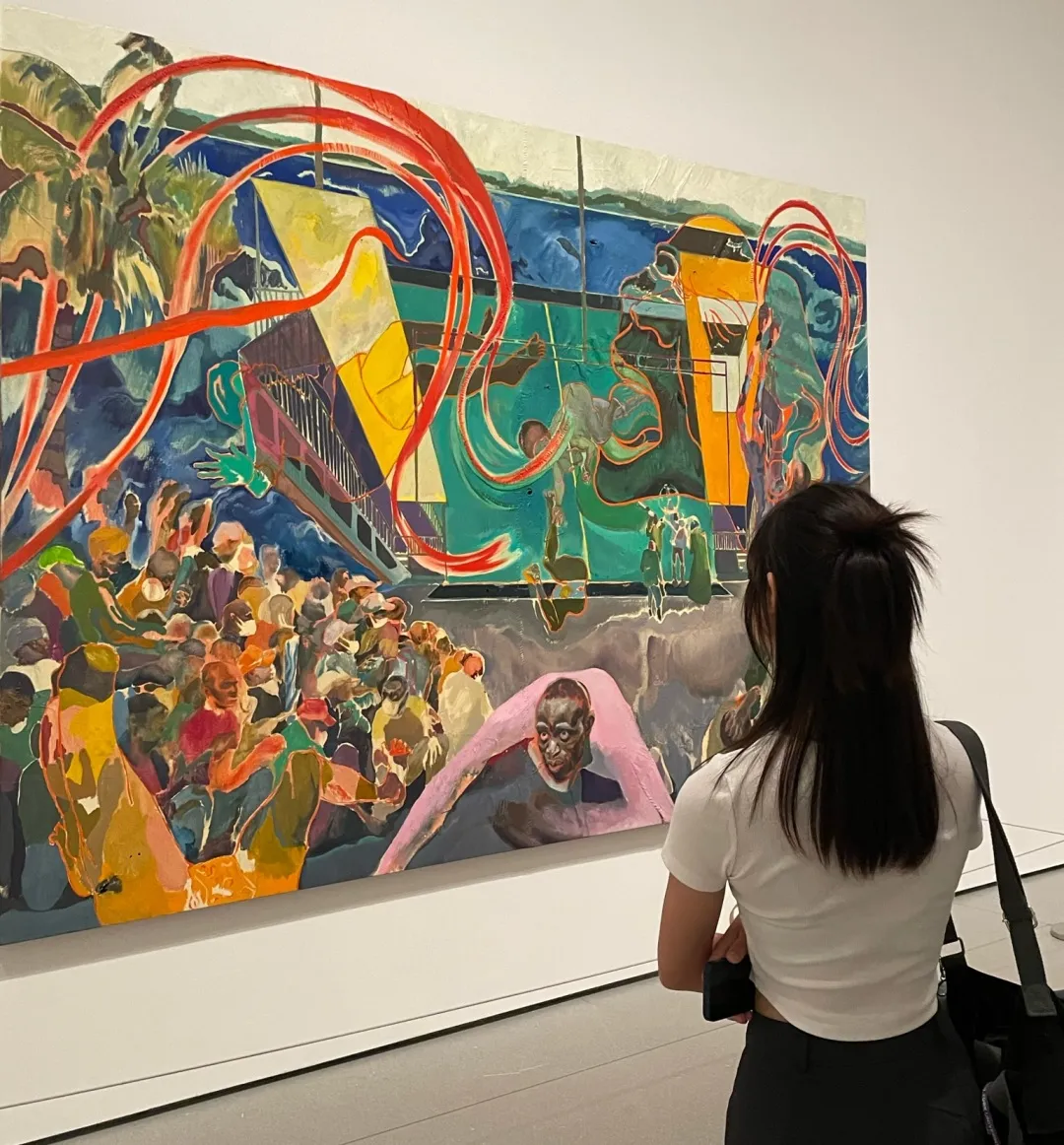
Growing up as the eldest daughter with two younger sisters shaped my habit of empathetic compromise. My family taught me to prioritize other people’s feelings and make concessions first. Over time, I learned to observe before responding, and hide my own needs to avoid conflict.
I enrolled at NYU Stern following my father’s suggestion, even though finance was not my initial passion.
Is INFP a Disadvantage for Banking Recruiting?
Stern hosts the most competitive pre-investment banking community at NYU. Almost every peer around me aimed for IBD roles. As a typical INFP, I spent lots of time researching and copying successful candidates’ recruiting routines to fit in.
This deep dive helped me form a new perspective on investment banking. The industry demands fast learning and problem-solving under high pressure, and it delivers generous long-term career upside. I gradually realized this path could open more professional doors for me.
Starting freshman year, I joined dozens of business clubs to build resume experience and tried DIY recruiting alone. I sent over 200 cold emails and scheduled around 10 networking conversations weekly, while rewriting my resume repeatedly by myself.
I advanced to final-round interviews at many firms, yet never received formal offers. By May and June, most banks closed their recruiting windows, and I felt completely drained.
Friends kept telling me “You will get what you deserve.” At my lowest point, this line sounded like an unproven statement rather than comfort. I started questioning whether certain industries only favor specific personality types, and whether hard work would even pay off if my natural traits worked against me.
I paused to reflect after a heartfelt conversation with my mother. I mentioned wanting to clear my mind by visiting a mountain temple, and she immediately sensed my hidden frustration. She realized I had accumulated far more rejection than I ever shared.
She suggested seeking external professional support. I remained hesitant at first, until I heard multiple successful NYU alumni share their recruiting journeys—all of them completed structured preparation through OSG. I realized I did not need empty comfort; I needed a brand-new framework to restructure my recruiting strategy.

Eventually, I signed up for OSG’s full mentorship program.
My lead mentor Belle pointed out my core flaw during our first session. My behavioral answers contained solid experience content, but lacked clear logical structure. I rushed to explain every detail and buried my core strengths under rambling stories.
After several mock behavioral interviews with dedicated OSG coaches, I understood my old mindset. I used excessive talking to ease my uncertainty, instead of building clear, trustworthy narratives for interviewers.
From then on, I learned to pause and organize my thoughts. This did not mean hiding my authentic self; it meant stopping the urge to over-explain every small detail.
Being Myself Helped Me Secure Multiple Offers
Royal Bank of Canada extended my first internship offer. I ran a fever on interview day and even lost my water bottle mid-session. I left the interview certain I had performed poorly, so the offer letter caught me completely off guard. I felt confused rather than excited—why did I succeed on my least prepared interview?
I knew this single opportunity was not the target career path I truly wanted.
Goldman Sachs Hong Kong brought an even tougher recruiting challenge. The investment banking track included ten full interview rounds filled with complex interest rate and foreign exchange technical questions. The wealth management track functioned as an endurance test: back-to-back hours of follow-up questions and group discussions that drained my energy repeatedly.
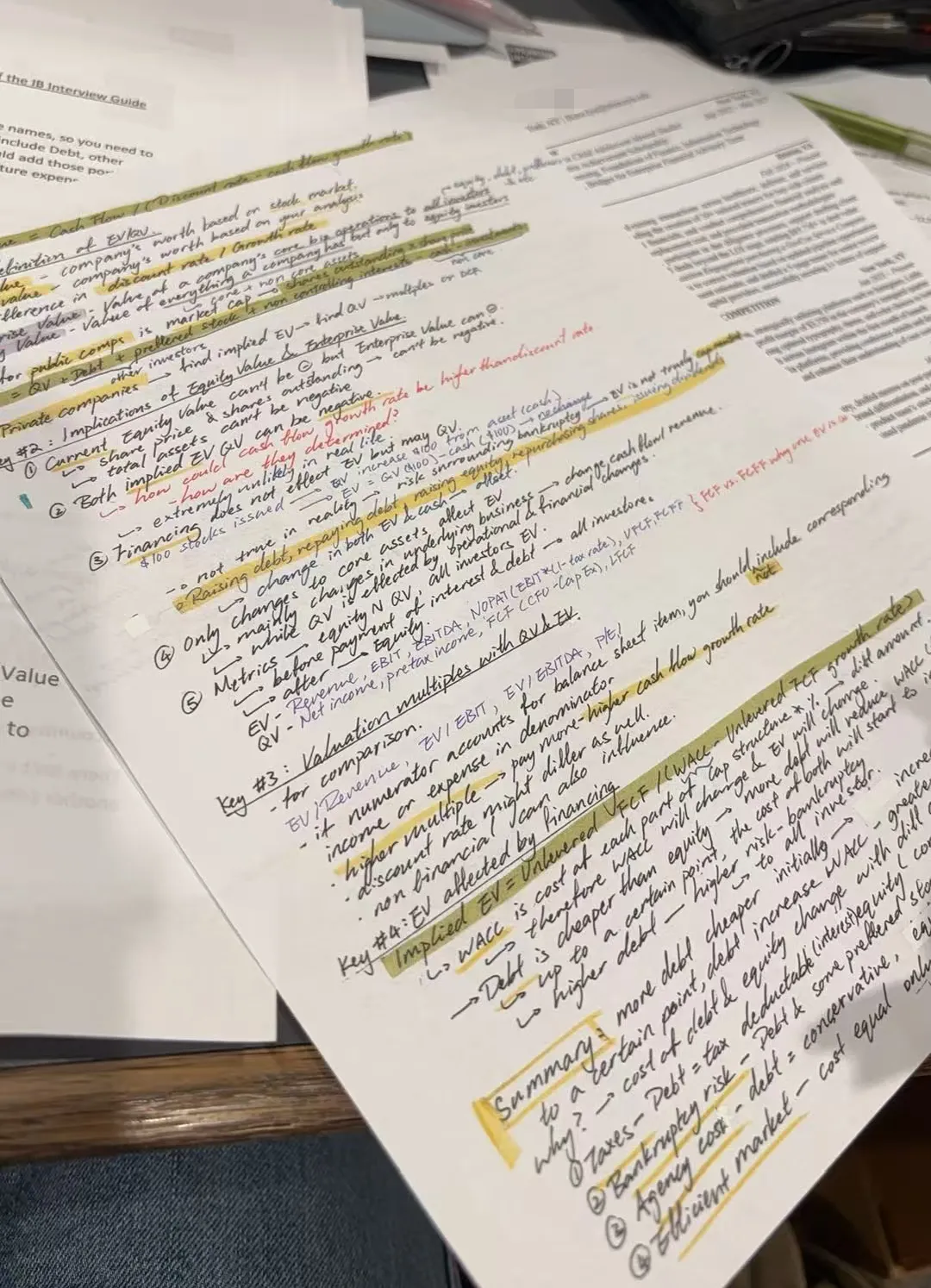
My Barclays Hong Kong interview was the first time I fully let my guard down and presented my genuine personality.
I already held a Goldman Sachs offer by that time, alongside heavy school final project deadlines. I did not treat this Barclays round as my last shot, so I avoided my usual tense pre-interview state.
I logged into the interview platform at 8:59 AM in my business suit, without over-rehearsing scripted answers. Our conversation naturally shifted to hobbies like animals and skiing, and I listened closely as an analyst shared his career transition from the US to Hong Kong. I did not force myself to act like an outgoing ENFP stereotype to impress the team, and the interviewers still connected with my genuine personality.
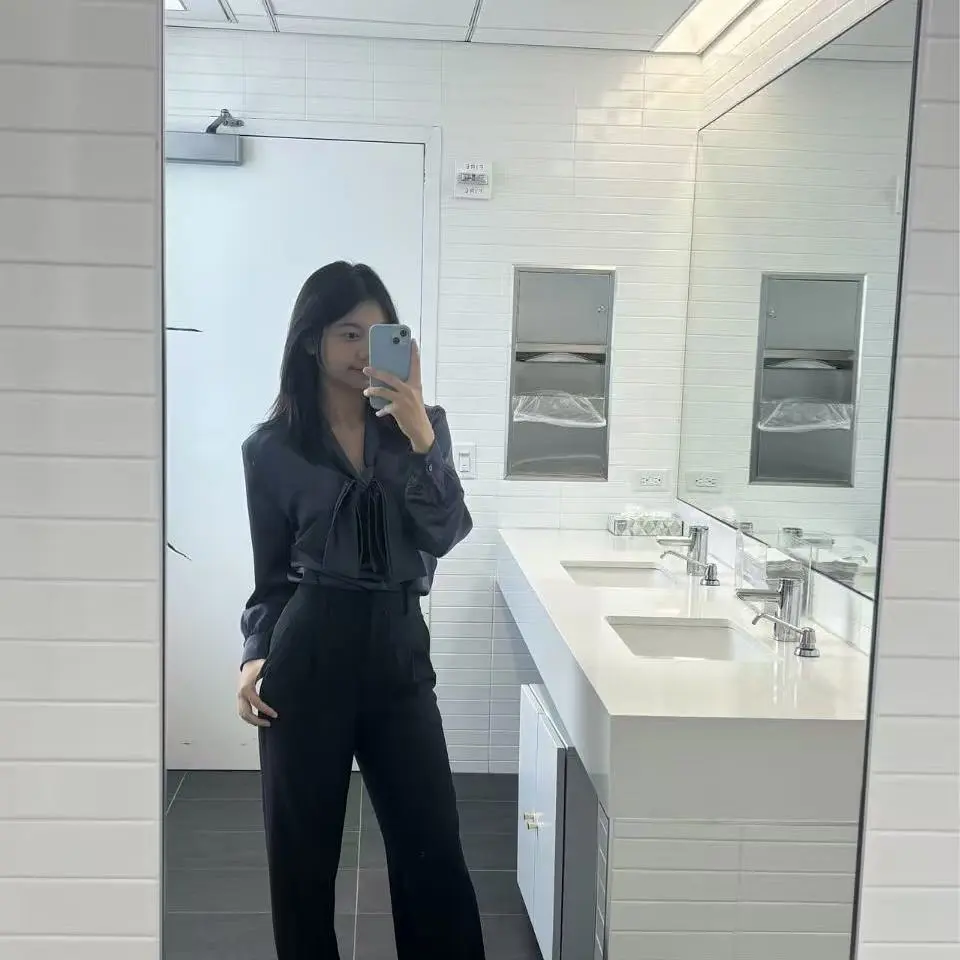
I was preparing for another US-based interview when I received Barclays’ offer call. I initially thought the Hong Kong number belonged to Goldman Sachs for follow-up checks, until the recruiter stated Barclays’ name.
One offer triggered a chain of positive results. I walked away with four distinct summer internship opportunities in a single recruiting cycle.
When I opened each offer letter, the old saying “You will get what you deserve” stopped sounding like empty comfort. It became a proven outcome from consistent effort.

Hard Work Delivers Results, Even When Progress Feels Slow
Looking back, I did not transform from “unqualified” to “perfect candidate.” I retained my core INFP traits throughout the entire recruiting process. The only shift was learning to trust long-term effort instead of doubting every setback.
I am deeply thankful to mentor Celine for steady support during my lowest moments. I broke down crying after receiving multiple rejections and told her I might never fit banking. Instead of pushing empty encouragement, she walked through concrete alternatives: delayed graduation plans, full-time recruiting timelines, and cross-department transfer paths within bulge bracket banks. She guided my emotional mind back to rational, actionable planning.
I also owe huge credit to my full-time OSG recruiting associate. He patiently listened to every recording of my mock interviews when I doubted my capability limits. He drafted detailed feedback paragraphs that pointed out every flaw: tangled logic, buried core conclusions, unhighlighted personal strengths, and revised response frameworks for similar behavioral prompts. He turned my emotional defeat into a clear list of actionable improvements.

Their structured, professional guidance acted as my reliable energy reserve through every stressful recruiting milestone, and ultimately pushed me to land matching offers.
I remain highly sensitive, observant and thorough when weighing major decisions today. I no longer view these INFP characteristics as weaknesses. My career path may advance slower than peers, yet every step aligns authentically with who I am.
If you are currently questioning whether your personality fits investment banking recruiting, I want to share one thought: do not force yourself into a standardized candidate mold. Grow at your own natural pace throughout the recruiting journey.
You will reach the right opportunities in a way that you fully accept.
Butterflies do not need to fly like eagles to reach their destinations. Following your own natural rhythm will still lead you to your target career.
Disclaimer: OSG is not affiliated with, endorsed by, or partnered with RBC, Goldman Sachs, Barclays, or any other companies mentioned in this article. All offers referenced were independently obtained by students through official recruitment processes, with preparation and guidance provided by OSG.
Free Career Planning Session
Book a free 1-on-1 session with an OSG mentor and map out your path to top firms!
Book Your Free Session →Ready to Write Your Own Success Story?
Book a free 1-on-1 session with an OSG mentor and map out your path to top firms!
Book Your Free Session →Explore More Resources



Frequently Asked Questions
Goldman Sachs Hong Kong IB superdays focus heavily on FX market analysis, interest rate modeling, standard three-statement accounting linkage and M&A valuation drills. OSG’s Hong Kong-focused mentor team provides region-specific technical mock practice tailored to the bank’s regular question style.
Barclays Hong Kong hiring teams value genuine personal storytelling over overly scripted outgoing personas. Introverted candidates can highlight strong empathy, careful observation and deep industry research during conversations; avoid forcing overly energetic fake personalities to match stereotypical banking candidates.
Most Hong Kong bulge bracket banks open summer internship applications 1–2 months later than US counterparts, with longer superday interview cycles and heavier focus on APAC market knowledge for international student applicants.



.jpg)