


Student Cases

Quant
Quant
The Optiver Offer Came Before I Knew What I Was Trading For
I joked, 'Make the market on the odds I'll see you again.' He smiled and said, 'I could, but I won't.' That was when I understood that even the people at the top aren't really steering anything.
Published on
June 9, 2026
6
min read
Most guides on how to get a quant trader offer stop at the mental math test and the probability puzzles. Mine ended somewhere stranger: a champagne toast on a chartered boat, where a partner told me, flat and friendly, that we would probably never speak again. By then I had the Optiver offer. What I didn't have was a clear answer to the question every interview kept circling back to, which was less about options pricing than about who I actually was when the screen lit up.
"I could, but I won't"
The spring internship closed with a dinner on a boat out of Chicago. I was standing next to a partner, glass in hand, and I made the kind of joke you make when you want something to last. "Make the market on the odds I'll see you again," I said. He smiled. "I could, but I won't."
It landed like a joke and stayed like a fact. Not a rejection. Not a promise either. We were both inside a system that moves on its own schedule, and the dinner was already being cleared for the next group. The room I had interviewed in months earlier had been reassigned within the hour. My answers, my nerves, the things I thought mattered in that chair, all of it gets written over by the next candidate who sits down.
That was the part nobody warns you about. The people at the top aren't steering as much as you imagine. They are being carried forward by the same machinery as everyone else.
Why options, and why a market maker
I never had the clean moment where I decided on finance. It crept in sideways. I started reading markets the way other people read weather, and at some point the way I saw problems had already changed before I'd chosen anything.
A market maker like Optiver, founded in Amsterdam in 1986 and now one of the largest options trading firms in the world, runs on a simple, unforgiving logic. Options are a right, not an obligation. You get to choose, and the price of choosing is measured constantly. I liked that the work didn't reward stories. It rewarded judgment, probability, and feedback, words that sound smaller than "passion" but turn out to be more honest.
The day someone lost millions
During my time at Optiver I heard about a new trader who dropped a fortune in a single session. I can't verify the figure and I won't pretend to. What stayed with me wasn't the number. It was the absence of any cushion. Every call gets checked, and luck rarely survives contact with the next trade. Roles like this are widely understood to be among the most selective and highest-paying entry points in trading, and standing that close to the edge was exactly what made me want in. Not as a destination. As a thing to be curious about.
Turning the self-intro into a weapon
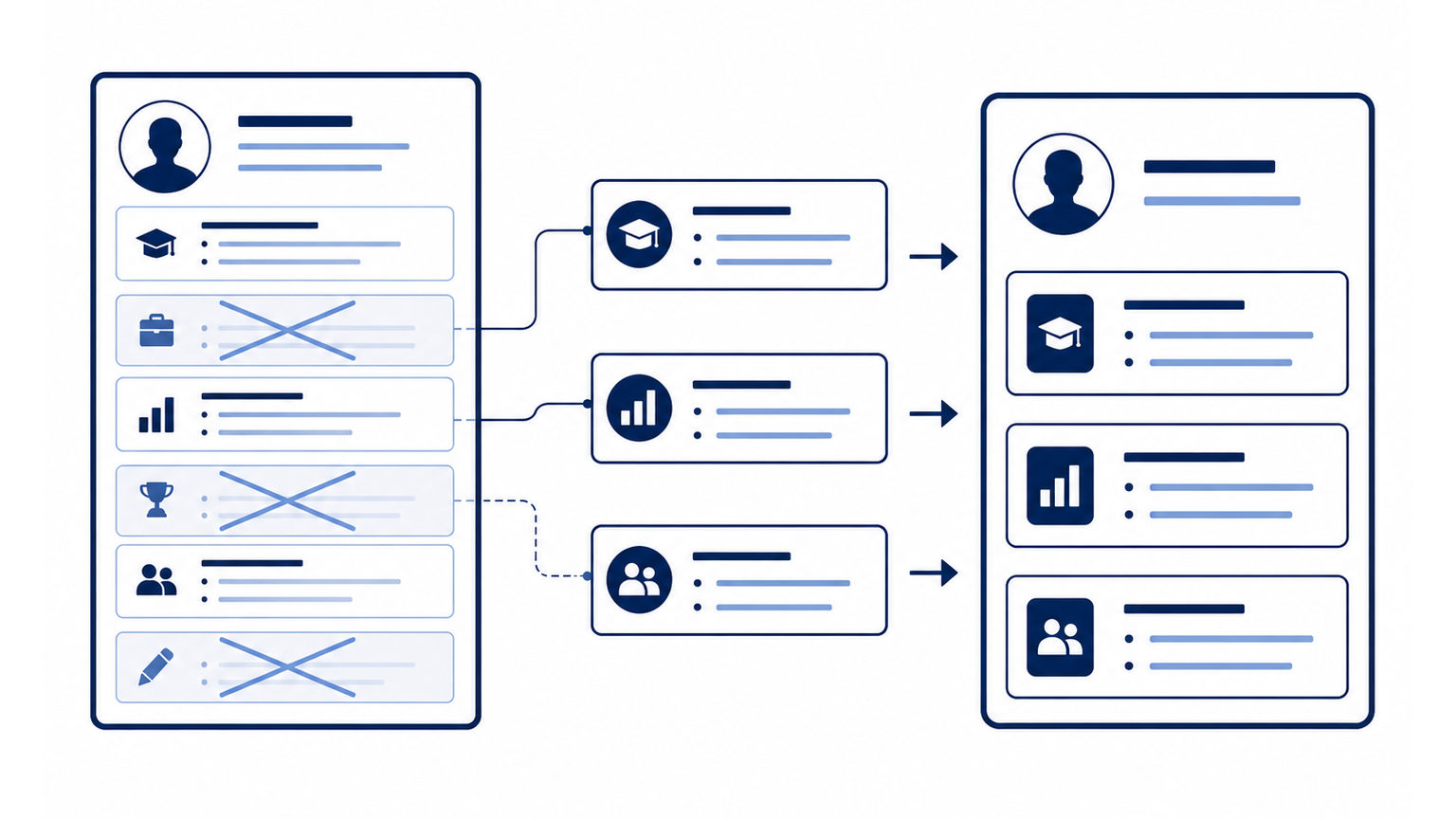
The first version of my self-introduction read like an autobiography. I tried to fit every experience in. Albert, my mentor through One Strategy Group, cut me off mid-sentence. "This isn't your diary," he said. "It's your weapon."
So we took the resume apart. Things I thought were load-bearing got cut. One ordinary campus role I wanted to skip, he kept, because it showed I'd carry responsibility with no applause attached. From September to March I interviewed at a string of firms, Optiver, HRT, Capula, Bending Spoons, Barclays, and ran more mock interviews than I can count. After every round he pushed me one layer deeper. Why this sentence. What do you want them to remember.
The point wasn't to say more. It was to say it clearly.

What One Strategy Group mentorship actually changed
A platform isn't a neutral word. A school is a platform, a firm is a platform, and so is a market. The better word might be exchange. It hands you a path and a label, and you trade time and effort and some slice of your future for it. One Strategy Group career coaching worked the same way, except it didn't hand me answers. It put me inside a room of people who knew the trade and kept dismantling the explanations I'd assumed were correct.
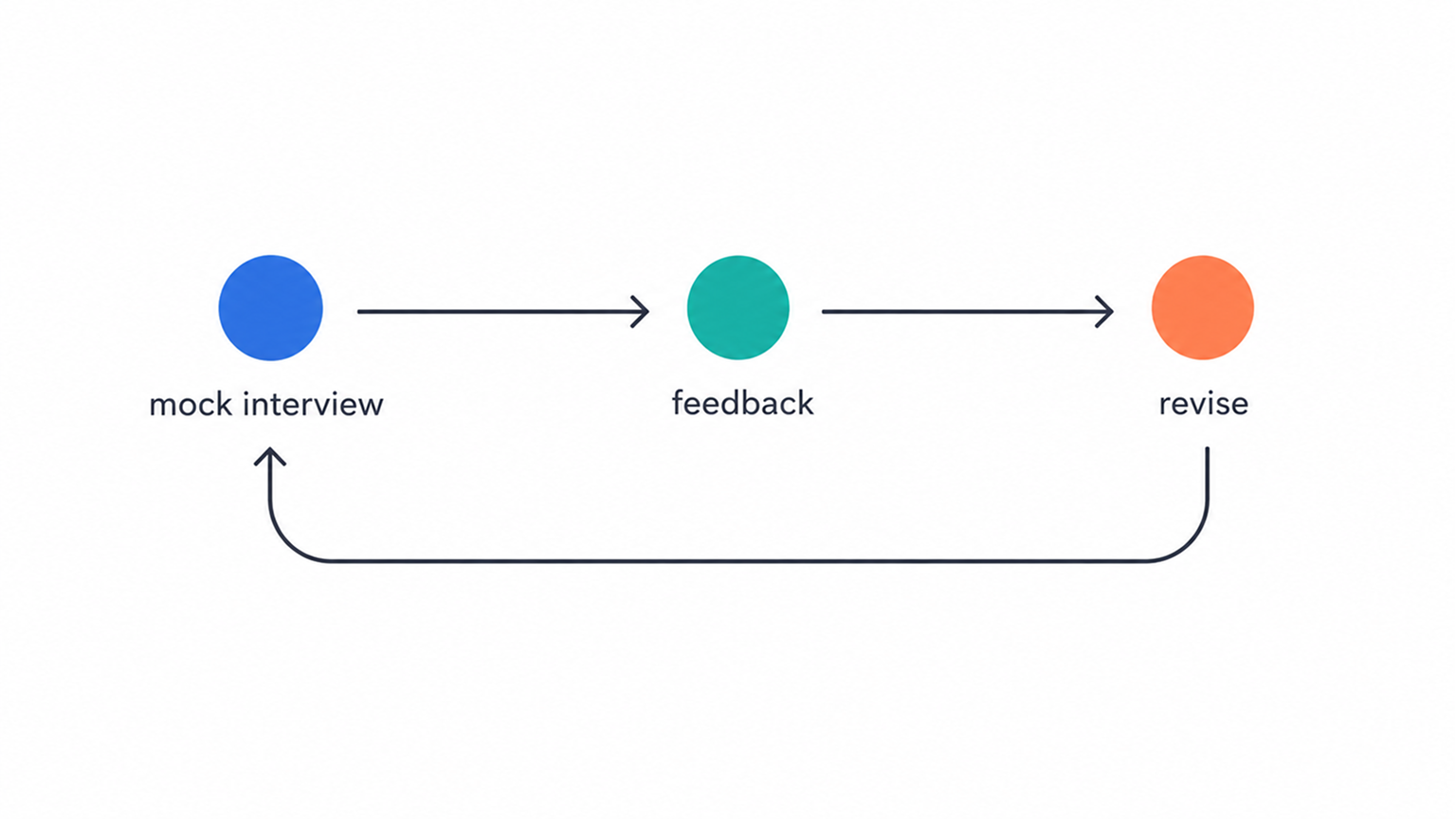
That shift showed up in small places. Interviewers tend to end with "Do you have any questions for me?" Albert drilled one idea into me: set a standard and beat the standard. A good question there isn't a courtesy. It's a short, deliberate reveal of how you read the role and where you'd place yourself inside it. By the last interview I was thinking in the firm's own logic, which was the real thing they were testing for.
What the offer didn't promise
If I wanted a tidy ending I'd tell you effort always pays off and everything gets seen. It doesn't, and it isn't. Plenty of work goes unremarked. That used to feel unfair. After the boat, it mostly felt clarifying.
Once you accept that no one is keeping score quite the way you hoped, the need to justify every choice loosens its grip. I stopped hunting for a grand reason behind each decision. The offer didn't resolve who I was. It just meant I'd make the next choice I was able to make, and carry it. That was enough.
Disclaimer: One Strategy Group has no partnership or affiliation with any company mentioned in this article. OSG students improve their own abilities through OSG's services and secure offers through standard campus and lateral recruiting channels.
Free Career Planning Session
Book a free 1-on-1 session with an OSG mentor and map out your path to top firms!
Book Your Free Session →Ready to Write Your Own Success Story?
Book a free 1-on-1 session with an OSG mentor and map out your path to top firms!
Book Your Free Session →


Frequently Asked Questions
Yes. Many entry roles at options market makers hire strong undergraduates for trading rather than research seats. What gets tested is probability intuition, mental math speed, and clear judgment under pressure, not a doctorate. Curiosity about market structure matters more than credentials here.
Treat it as a signal, not a courtesy. A sharp question reveals how you read the role and where you'd fit inside it. Prepare one that shows you already understand the firm's standard and want to exceed it, rather than asking something easily found online.
It pairs candidates with mentors who run repeated mock interviews and dismantle weak self-introductions until the story is sharp. The program suits students targeting selective trading and quant seats who have the raw ability but lack structured interview reps and insider feedback.



.jpg)