



Student Cases

Investment Banking (Finance)
Investment Banking (Finance)
From Astronaut Dreams to a Healthcare Investment Banking Offer at Evercore
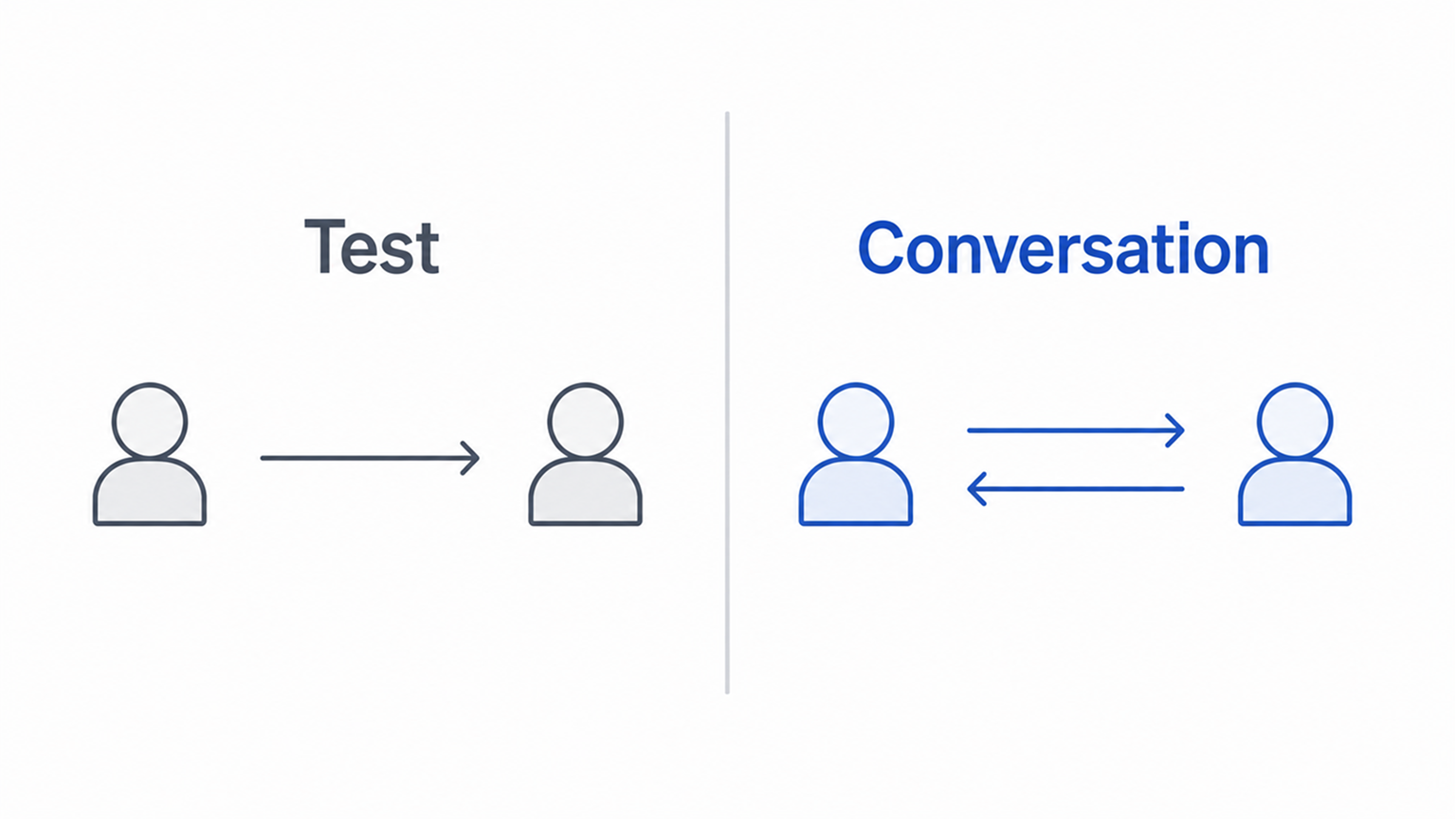
When I felt like I'd answered every question perfectly, the result was usually bad. The interviews that went furthest were the ones where I got stuck, then worked through it with the interviewer. One felt like a test. The other felt like a conversation.
Published on
June 5, 2026
5
min read
The night before one of my most important interviews, I was supposed to be at a Broadway show. I gave up the ticket and went to a mock session instead. I had spent years overthinking every decision, waiting for some perfect signal before I acted. Recruiting for healthcare investment banking is where I finally stopped waiting. This is how I went from a kid who wanted to be an astronaut to a sophomore holding an Evercore summer analyst offer, and what changed in between.
The night I traded a Broadway ticket for a mock interview
I was in New York for a few days off. The plan was a Broadway show that evening. Then an interview invite landed in my inbox, scheduled fast, the way most of mine seemed to arrive that fall.
Paul, one of my mentors, told me to drop the show and come into the office for a mock. I did. He listened to my "tell me about yourself," then stopped me cold. My answer had almost nothing to do with healthcare. He made me rebuild it so that my interest in biotech showed up in the first thirty seconds, from both a career and a personal angle.
Sarah worked a different corner of the same problem. She went line by line through my resume, flagging the spots most likely to draw a "why banking" follow-up, and gave me answers that actually sounded like me. Both of those came up in the real interview, almost word for word. I had wanted to see a show. I got the version of myself that could pass a superday, the final round most banks run before an offer.
Why I stopped waiting for passion to break in
My first career dream was astronaut. An eye exam in second grade ended that one before it started, and for a long time after I had no clear direction. I kept thinking some passion would show up on its own and hand me a field I loved. So I tried a little of everything and never landed anywhere.
A mentor said the quiet thing out loud at the end of my last year before college. I thought too much and did too little. That was fair. It also reframed the problem. Instead of waiting for a direction to find me, I could just start and let the work sort it out.
That summer I went to a One Strategy Group session in person, mostly on the logic that doing a little extra never hurts. A follow-up call with one of the mentors turned vague ambition into something closer to a map. Join clubs freshman year. Sit in on industry sessions to learn how banking splits into product groups and sector coverage. Line up the sophomore timeline. It was not a perfect route. My footing was just a little more solid leaving than it had been arriving.
How I found my way into healthcare and biotech coverage
Finance was not my first answer. I had taken AP Chemistry, skipped the exam when it got cancelled, and assumed I was done with science for good.
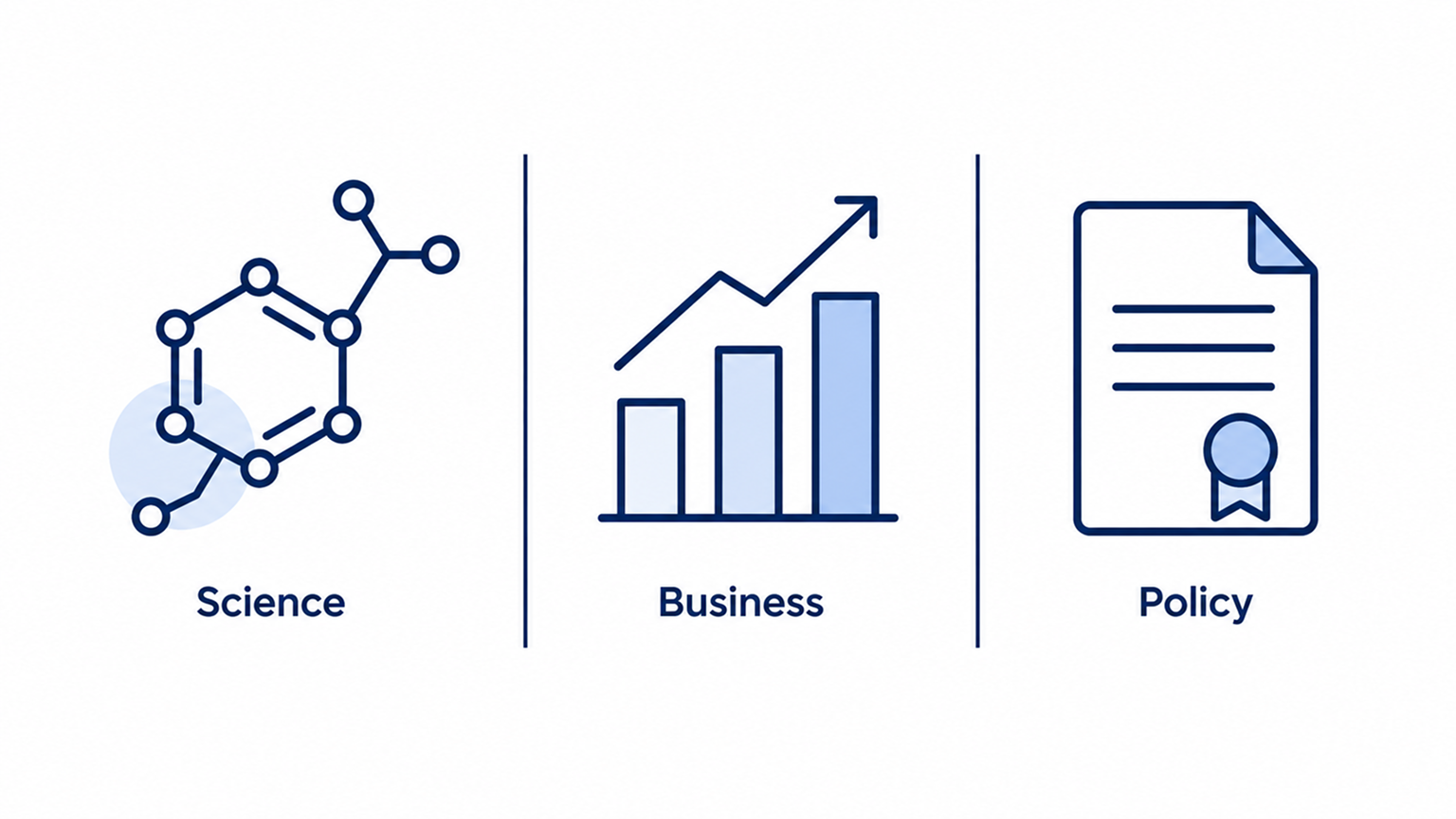
Then an intro physiology course pulled me back in. For my first stock pitch I picked a medical device company and worked through biotech valuation models and sector trends with Lance, a healthcare-focused mentor. Healthcare was the first field that held my attention, because you can read it through science, business, policy, and plain human need all at once. One interviewer put it better than I could. If you are curious rather than obsessed with financial engineering, there is just so much to read in biotech, and a decade in, the new science still gets him out of bed. The kid who thought she was finished with science found her version of space exploration in it.

Why networking calls drive investment banking recruiting
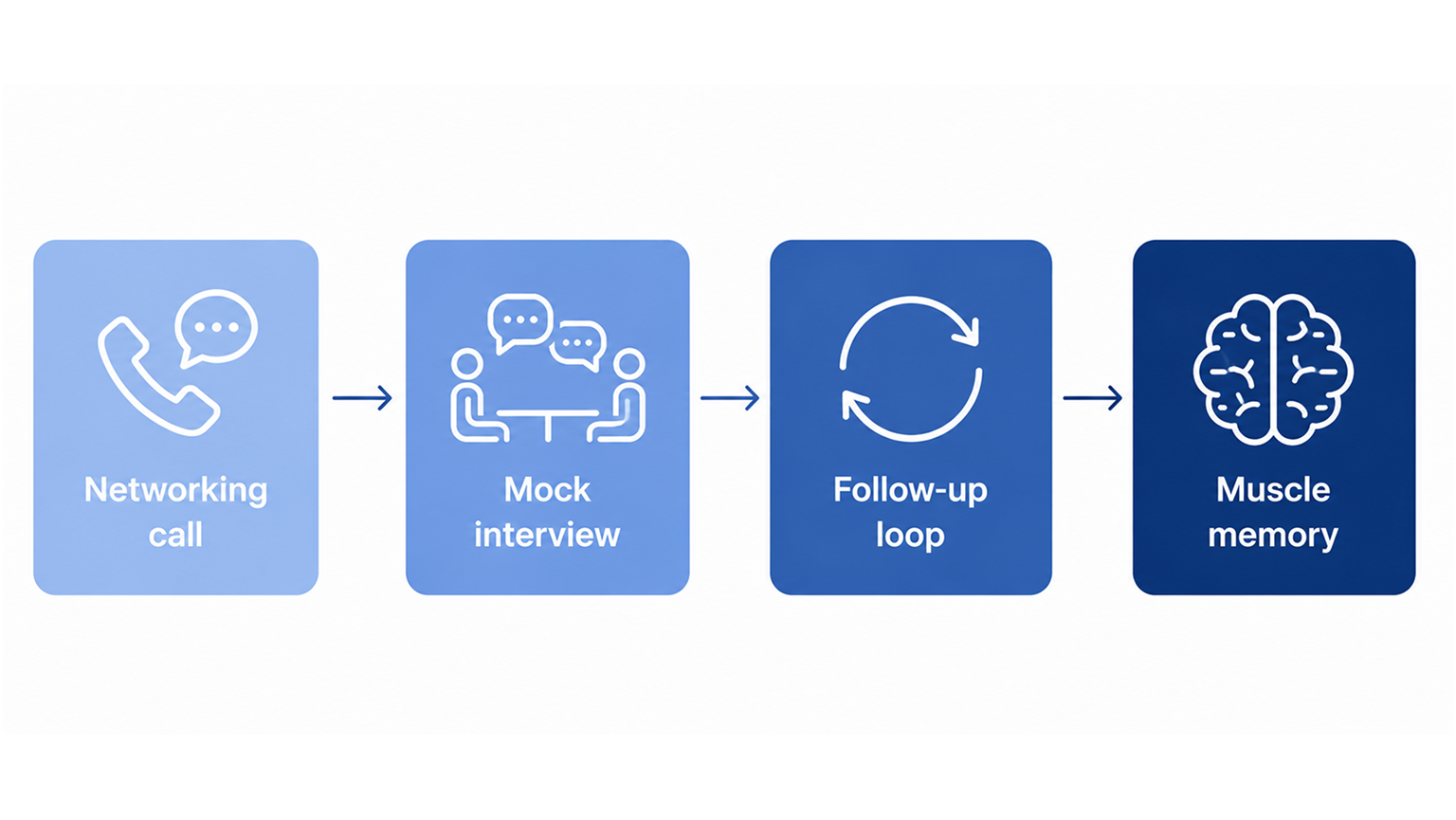
I'm naturally an inconsistent worker. For the things I actually cared about, I'd show up every single time. But cold emails? I'd completely phone it in. My mentors at One Strategy Group were incredibly patient with me — they pushed me from "I'll do it later" to actually booking calls.
In early November, I told Kyrie I'd done maybe ten networking calls. For the first time, he got genuinely serious on me. "You need to lock in." Those words are most of the reason I got my act together before it was too late.
The research associates ran the other half of my training. They challenged and questioned me through every mock, over and over, until the follow-up paths were worn smooth. It built a kind of muscle memory. When a question came that I had not prepped, I could stay calm and treat it as one more rep, connecting what I knew on the spot instead of freezing. One Strategy Group mentorship gave me a framework and a rhythm, not a script, and taught me how to tell my own biotech story in a way that made an interviewer look up.
Treating the interview like a conversation, not a test
My first final round came that sophomore fall. I prepped for a week, braced to get everything right, and got rejected anyway. The interviewer told me he admired how hard I was trying for perfection. That was the lesson hiding inside the rejection.
The pattern repeated enough that I started to trust it. The rounds where I felt flawless usually went badly. The rounds where I stumbled, then reasoned through it out loud with the interviewer, went further. Answering is a test. Talking is a conversation. For someone who overthink, the conversation is the format that actually fits.
I worked on the mindset too, not just the answers. Over winter break I let myself have real downtime, then held to a rhythm of half a day studying and half a day off, with Kyrie reminding me to plan ahead. When I stopped chasing a perfect score and aimed for an honest, thoughtful exchange instead, the offer came. The One Strategy Group career coaching I leaned on was as much about steadying my head as sharpening my technicals.
What I'd tell someone still overthinking it
Plan, but don't over-plan. A rough framework with room to flex beats a perfect plan you are too afraid to start. Build in time to rest, because the half-day off was what made the half-day of work sharp. And treat every interview as a conversation. Interviewers are not looking for an answering machine. They want a curious person who can think and talk through a problem in real time.
The Evercore healthcare investment banking offer was never the point of any single step. It came out of a lot of detours that only made sense later. If you tend to think too much before you move, this is the part worth hearing. Take the first step, and the next door usually opens once you are already walking.
Disclaimer: One Strategy Group has no partnership or affiliation with any company mentioned in this article. OSG students build their own capabilities through OSG services and secure their offers through standard campus and lateral recruiting channels.
Free Career Planning Session
Book a free 1-on-1 session with an OSG mentor and map out your path to top firms!
Book Your Free Session →Ready to Write Your Own Success Story?
Book a free 1-on-1 session with an OSG mentor and map out your path to top firms!
Book Your Free Session →Explore More Resources



Frequently Asked Questions
Yes. This case follows a student who lined up clubs, industry sessions, and networking calls early, then landed a sophomore-fall final round. Starting before you feel ready matters more than waiting for a perfect plan.
Tie your sector interest to both career logic and personal curiosity in the first thirty seconds. In this case, rebuilding the "tell me about yourself" so biotech showed up immediately is what made the answer land in real rounds.
It gives students a preparation framework and rhythm rather than a script, pairing them with sector mentors and running repeated mock interviews. The coaching helped this student steady her mindset and tell her own biotech story.



.jpg)