


Student Cases

Investment Banking (Finance)
Investment Banking (Finance)
From Gender‑Studies Aspirations to Wall Street: Landing S&T Offers at Barclays & Deutsche Bank
A Barnard College transfer student originally passionate about gender equity and NGO work. After field research in Kenya, she pivoted toward finance. She earned competitive Sales & Trading offers at Barclays New York and Deutsche Bank New York by reframing her non‑traditional background for Wall‑Street recruiting, supported by OSG mentors.
Published on
August 19, 2026
8
min read
When ideals of gender equity meet the leverage of finance.
My growth path diverged sharply from the profile of a traditional finance professional.
I grew up in Shenzhen. In high school, I rode bicycles along coastal scenery and discussed ways to change the world with my ideal‑driven friends. My family gave me tremendous personal freedom. Their only expectation for me was to live happily. This hands‑off upbringing taught me early on to plan independently and stay goal‑oriented.
Back in middle school, firsthand exposure to gender‑based stereotypes inspired me to pursue gender studies. I hoped to work for NGOs and push for social equality through shifting public mindsets. To pursue this goal, I planned my overseas education and applied to Mount Holyoke College, a liberal‑arts school celebrated for inclusivity and women’s leadership development.
I once believed changing the world depended purely on intellectual inspiration. That changed during a summer field‑research trip to Kenya when I stepped foot on local soil.

My fieldwork there reshaped my worldview. Local women were constrained not only by abstract social biases, but by tangible economic hardship. I observed a micro‑finance model called Table Banking, where simple circulating‑fund structures tangibly improved women’s living conditions.
I realized meaningful empowerment cannot live only within academic discussions. Economic independence forms the foundation of personal agency. The equality I wanted to advance required deeper, structural forces.
During my freshman year, a guest speech from a Goldman Sachs VP lit a new spark for me. She showed me that women who succeed within male‑dominated finance spaces can deploy their resources and influence to give back to society at scale.
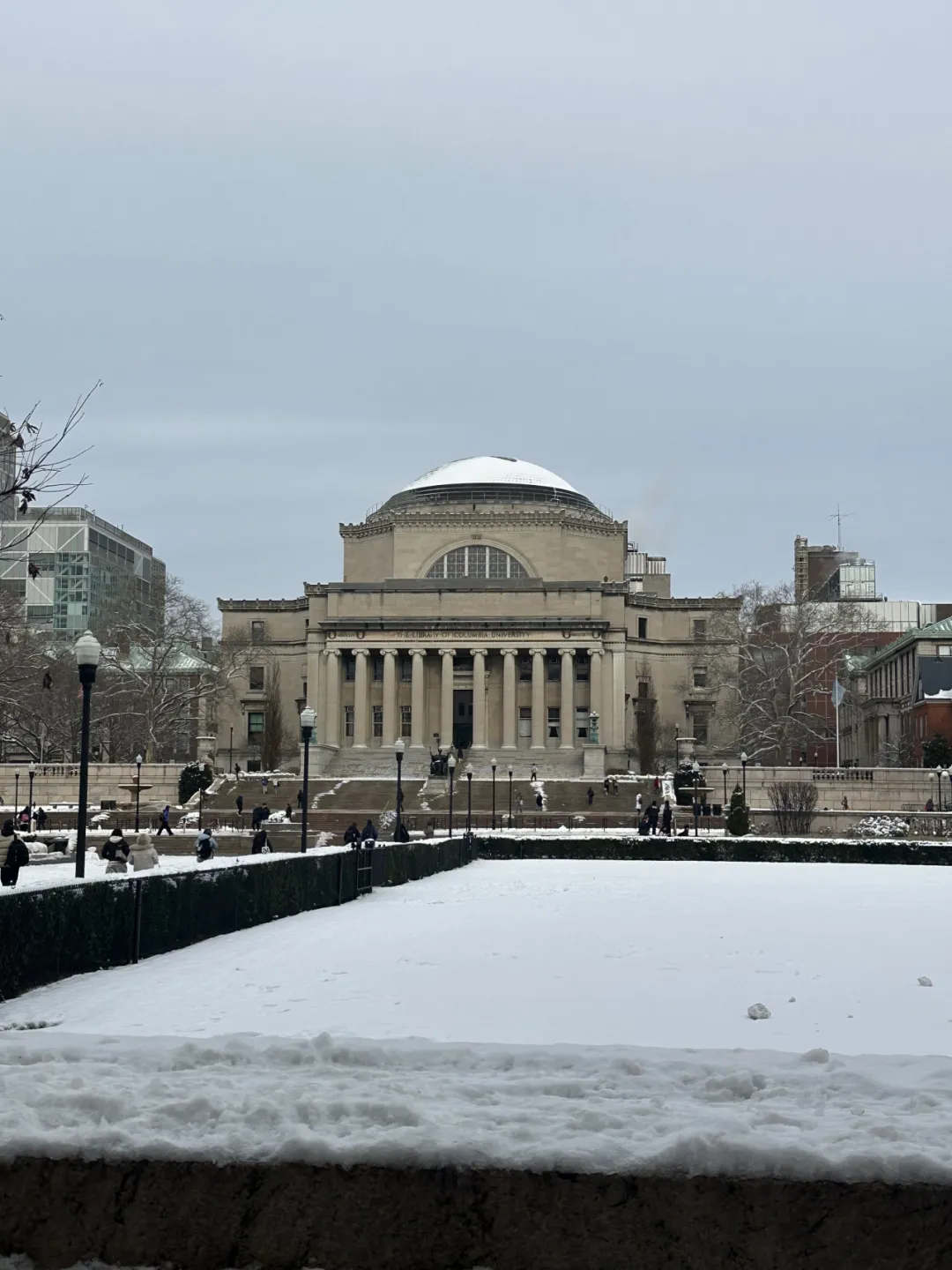
I wanted to become someone like her. Finance was no longer a distant concept; it became a powerful tool to amplify my personal values and bring my core mission to life. To move closer to this vision, I completed a transfer to Barnard College at Columbia University and embarked on this unconventional journey into finance.
Technical Hurdles and the Art of Behavioral Storytelling
Determination comes easily, yet the road forward proved difficult. My resume at that time only listed work as a psychology‑research assistant, part‑time childcare‑center work, and gender‑studies academic papers. I barely understood basic finance terminology. I sent out blind applications with no clear strategy, and nearly every submission went unanswered. At my most confused point, I joined OSG.
I quickly gained two critical assets through mentorship.
The first was a clear roadmap and structure. My lead mentor Steven built high‑level recruiting plans together with me. We mapped which career paths fit my personality, key deliverables for each recruiting milestone, best practices for resume submissions and networking calls. Every step became concrete and actionable.

The second was a reset for my mindset and communication style. Since I had not attended high school in the United States, I used to feel extremely nervous during networking calls and worried I would fail to fit in. Steven offered practical advice:
“Instead of trying to adjust your personality to impress others, take an indirect but powerful approach. Complete thorough research on industry trends and the specific group your contact works in before every call. Help interviewers see you stand apart from generic candidates.”
This simple mental shift freed me from insecurity rooted in cultural gaps, and transformed the quality of my networking conversations.
Once my thinking became structured, I followed my mentors’ advice and targeted the Sales & Trading track within secondary markets. To my surprise, learning market concepts turned out far more engaging than I expected, as it connects closely to real‑world events. I began digging into how the Federal Reserve makes policy decisions, and how geopolitical shifts shape bond markets and yield curves.

As I digested these previously disconnected concepts and wove them together with coherent logic, complex market knowledge clicked smoothly into place.
Still, I soon understood technical competence is only an entry ticket. Once candidates clear that baseline standard, real differentiation emerges within behavioral interviews.
My background was viewed as a disadvantage by many traditional recruiters, yet OSG mentors helped me uncover rich material for self‑introduction. They drew from my gender‑studies coursework, my growth at a small liberal‑arts college, and the full story of my pivot into finance. Through repeated conversations and experience deconstruction, they helped me turn these “non‑finance” experiences into a cohesive narrative with clear motivation and growth arcs.
My psychology coursework, which I once thought irrelevant, also supported my performance in many S&T interviews. Psychology helped me read other people effectively. Within short conversations, I could identify an interlocutor’s communication style and adjust my approach accordingly. Through repeated interview practice, I gradually mastered the art of genuine conversation.
Reframing Your Narrative: The Power of Human Authenticity
My Barclays Sales & Trading final‑round interview remains vivid in my memory. I spent a full week preparing a detailed stock pitch: I selected target companies, analyzed financial metrics, and built responses for every anticipated question.
When I joined the interview session, a managing director glanced over my resume and said: “Let’s just talk casually today.”
He did not ask a single technical question. Instead, he shared observations from his industry tenure and shifts across financial markets. My mind went blank for one second; all my prior preparation seemed irrelevant.
I quickly readjusted my strategy. Rather than forcing the conversation back to my prepared stock pitch, I listened closely to his insights and responded naturally. “The market shift you mentioned reminds me of recent Federal Reserve policy impacts on yield curves. I have observed several noteworthy trends…”
I shared my own market observations and respectfully asked for his perspective. I could sense my genuine curiosity and critical thinking resonated with him.
The interview concluded in a warm dynamic, similar to a senior industry figure guiding an aspiring newcomer. A few days later, I received a summer‑internship offer for Barclays New York junior‑level summer program.
That experience taught me an important lesson: final‑round interviews are usually led by MDs. When they carve out thirty minutes to speak with a student candidate, they want to assess long‑term potential and conversational chemistry, not only test pure technical knowledge.
Building Certainty Out of Setbacks
Immediately after wrapping up my summer internship, I jumped into full‑time recruiting. I focused my applications on fixed‑income ABS roles. I was drawn to the internal logic of these structured products and real‑world market mechanics. Much of this niche knowledge cannot be learned from school textbooks, and my internship gave me confidence for long‑term growth within this space.
Beyond product specifics, Deutsche Bank’s team culture strongly appealed to me. Both MDs and analysts were supportive and willing to learn about candidates’ unique backgrounds, creating a growth‑friendly working environment.
Nevertheless, the Deutsche Bank recruiting process turned into my most grueling stress test.
My first round consisted of three back‑to‑back thirty‑minute interviews with analysts, associates, and eventually the global head of the desk. Thanks to targeted OSG preparation, I navigated technical questions smoothly.
After clearing that initial final‑round stage, I received no immediate update. Almost two weeks of stressful silence followed. Just when I assumed my candidacy had ended, the global head replied to my thank‑you email. He shared positive impressions of my interview performance, yet explained full‑time hiring standards were extremely strict. Only one opening existed for this desk, and they needed extra confidence in their final hiring choice.
I was then assigned a highly challenging modeling exercise, followed by two additional follow‑up interview rounds. That week, I attended classes during daytime and worked through model‑building tasks late into the night. At times I reviewed dozens‑page product documentation just to untangle one logical detail.
Even after completing all interviews, I remained stuck in mental uncertainty. The MD called directly to inform me they were making a final decision between me and one other candidate.
I took a deep breath and laid out clear, factual points.
“First, I have worked with nearly identical ABS products during my summer internship. I can onboard quickly and lower the team’s onboarding risk.
Second, I hold genuine passion for these products, not because they are trendy, but because I understand their value within capital markets.
Third, my non‑traditional background brings unique perspectives that can add diverse thinking to your team.”
I avoided over‑hyping myself and stuck to objective reasoning. I felt completely drained the moment I hung up. Lingering uncertainty felt far more painful than receiving a clear rejection.

The Offer Call I Received at a South‑America‑Bound Airport
I was at JFK Airport in New York, getting ready to board a flight for my post‑graduation trip across South America, when my phone rang from an unknown number. My heart raced instantly.
“Congratulations. We were very impressed by you, and we would like to extend an offer,” the MD stated over the phone.
A flood of emotions washed over me: surprise, huge relief, and an urge to tear up, mixed with a strange sense of calm. Standing amid busy airport crowds and watching airplanes take off and land outside the window, I flashed back to key moments across my whole journey:
‑ The smiles I saw on Kenyan women’s faces as they gained economic independence through Table‑Banking microfinance.
‑ The spark of inspiration ignited inside Mount Holyoke’s auditorium during the Goldman‑Sachs VP’s presentation.
‑ The kind “alumni‑grandma” who kept connecting me to new opportunities even after I faced rejections, well into her 70s.
‑ The tension of casual‑style interviews and every agonizing minute spent waiting for recruiting feedback.
“Thank you. It is a great honor for me,” I said, keeping my voice as steady as I could.
Right after ending the call, I sent updates to my family, mentors, and peers who fought alongside me. Along this long, lonely path, their guidance, support and encouragement made all the difference.

I took a deep breath, grabbed my luggage, and walked toward the boarding gate.
I once believed academic gender‑studies work and NGO advocacy were the only paths toward greater social inclusion and equity. My recruiting journey reshaped that view. Finance built my resilience and gave me toughness to navigate male‑dominated professional spaces.
I have not abandoned my original ideals. I simply chose a path that amplifies my impact. Through finance I can build capital, professional platforms and social credibility. Moving forward, whether I pursue entrepreneurship, back educational initiatives, or advance children‑related social causes, I will be able to deliver change in more direct, effective ways.
I believe the best version of “girls help girls” happens when each of us strives to become solid ground for one another, lifting each other toward higher ground. I remain that girl who wants to change the world — yet this time, I hold real access to the table.
Free Career Planning Session
Book a free 1-on-1 session with an OSG mentor and map out your path to top firms!
Book Your Free Session →Ready to Write Your Own Success Story?
Book a free 1-on-1 session with an OSG mentor and map out your path to top firms!
Book Your Free Session →Explore More Resources



Frequently Asked Questions
Yes. A non-finance background does not define the outcome, but it changes your approach. Liberal Arts candidates bring flexibility in conversation and analytical thinking valued at desks like Sales and Trading. Success comes from translating academic experience into finance language and showing prepared, peer-level conversation in networking.
Prepare technical answers, but also be ready for unstructured conversations. Managing Directors may ask you to talk through your thinking on macro trends or interest rates informally. Liberal Arts backgrounds can help with conversational flexibility, which matters during S&T internship interviews alongside technical accuracy.
OSG provides a structured recruiting roadmap mapping desks aligned with analytical strengths, reframes networking conversations through deep preparation on deals and market trends, and helps Liberal Arts candidates shift perception from outsider to informed peer during Investment Banking recruiting conversations and Superday interviews.



.jpg)