



Student Cases

Buy-side (Finance)
Buy-side (Finance)
I Almost Quit Markets Recruiting. Then I Got the BlackRock Offer.
I'd rather grind through 90 minutes at the gym than send a networking email I'd already written. I wasn't lazy. I just couldn't see why a call would teach me anything I couldn't get faster on my own. That was the thing I had to unlearn.
Published on
June 3, 2026
5
min read
Most advice about asset management recruiting assumes the hard part is the technical work. The technical work was never my problem. What nearly stopped me was a stretch of months where I had the plan, the resources, and the time, and still couldn't make myself send a networking email I'd already finished writing. If you've lost the drive partway through finance recruiting and started wondering whether that means you picked the wrong field, this is the part of my blackrock story that nobody writes about.
Why finance networking feels pointless at first
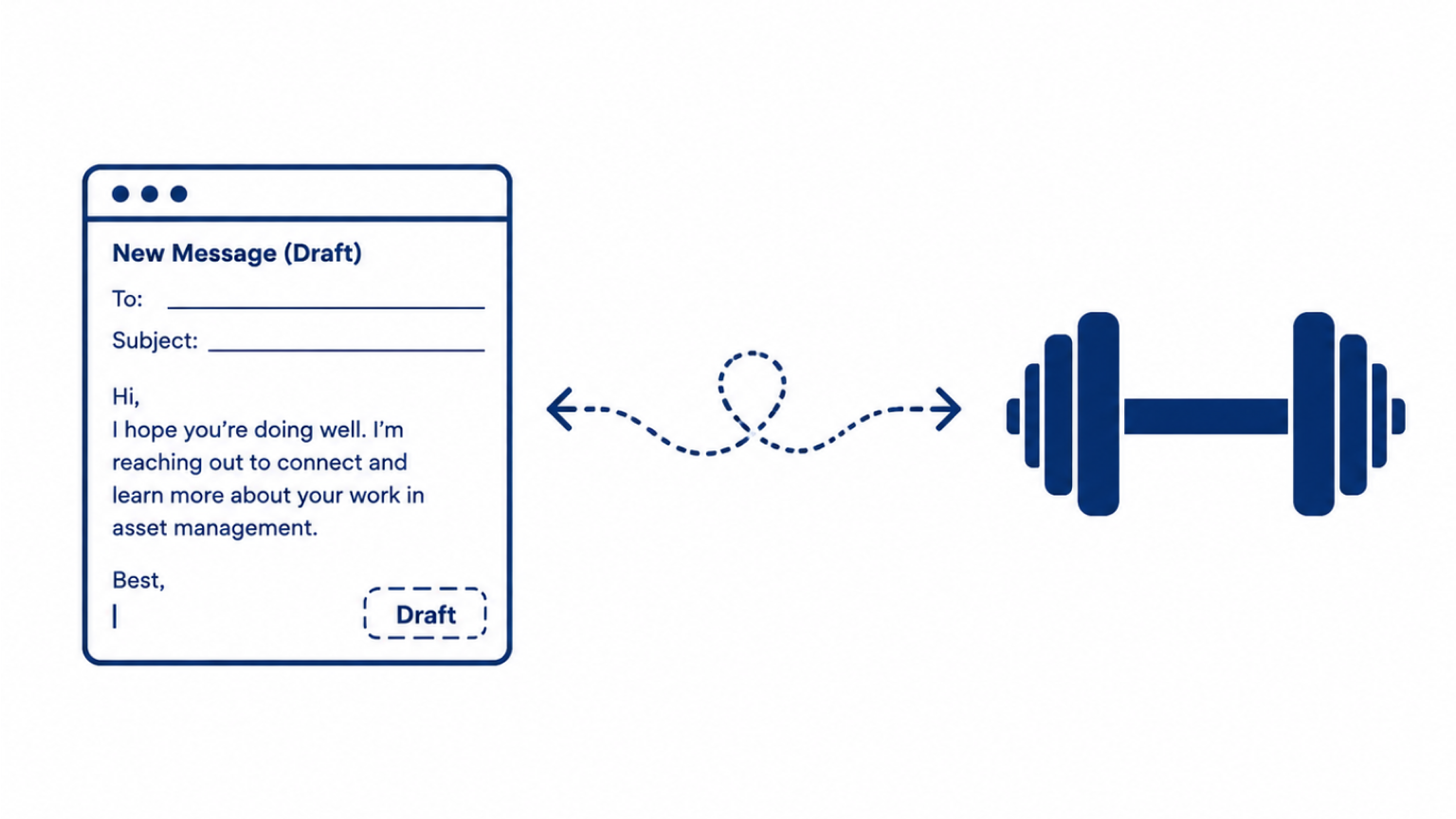
There was a week where I chose a 90-minute workout over a five-minute email three days running. The email was done. It was sitting in my drafts. All I had to do was hit send and ask an alum for 20 minutes of their time.
Not because I was busy or forgot about it. I genuinely didn't see why a 20-minute call would tell me anything I couldn't just look up myself. The reasoning held up fine on its own terms, which was exactly the problem.
A math and economics sophomore with no finance background
I was a sophomore studying math and economics. In high school I'd knocked on office doors one by one until a teacher agreed to advise a club nobody else wanted to sponsor. The summer after, I taught myself a small craft business and ran it on pocket money. Then I entered a startup competition as one of the youngest people in the room. Acting on an idea fast was just how I worked.
I found finance through upperclassmen who described it as challenging and varied. That framing pulled me in, and around the same time I started working with One Strategy Group, which is where my actual recruiting process began.
Why I stepped back from investment banking
I need to understand why something matters before I can go all in on it. So I kept asking myself what I was actually chasing, and for a while I had no answer. The motivation I'd started with drained out somewhere in the middle.
The avoidance showed up everywhere. I'd happily spend an hour on a hard math problem and then dodge a 20-minute behavioral interview that wasn't even difficult. The gap between what I was supposed to want and what I could make myself do started to feel like evidence I'd chosen wrong.
So I made a quiet decision to step back from traditional investment banking and put more attention on the secondary markets, the public-markets side of finance. I told my parents and my mentor I was thinking about a different track. Nobody tried to stop me. One coaching call late in 2024 ended with my One Strategy Group mentor telling me they believed in my potential whichever path I chose. That night I wrote down everything I was thinking and made myself a promise to commit for real.
Preparing for an asset management interview from scratch
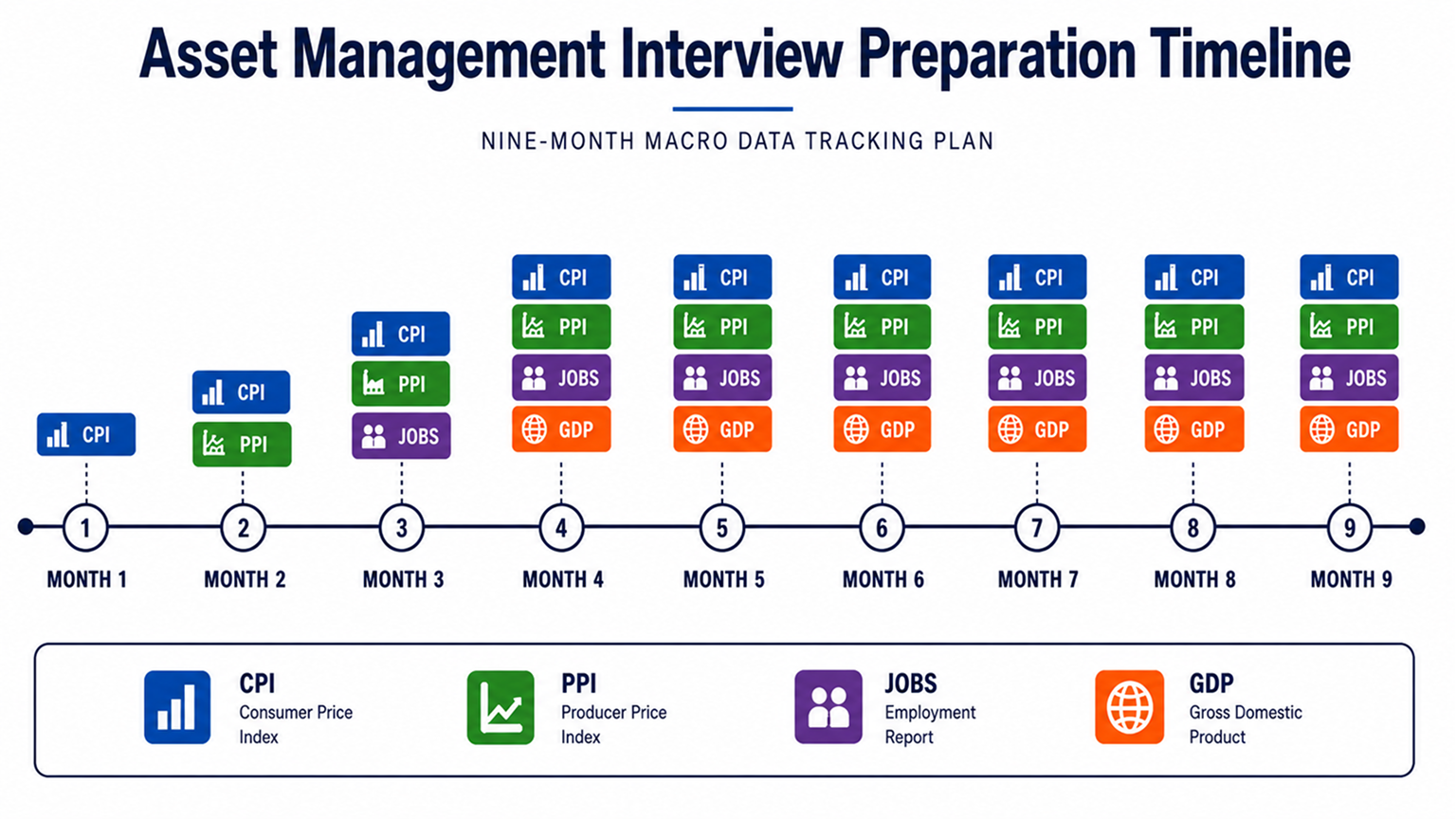
Committing looked boring from the outside. Every morning I spent half an hour updating myself on the market. I went from knowing almost nothing about asset classes to being able to recite the month's CPI, PPI, jobs, and GDP prints and explain how macro data, policy news, and the Fed push different assets in different directions. It took about nine months, and I wrote my own weekly market analysis the whole way through.
Somewhere in there the studying turned into my own question to chase rather than an assignment from my One Strategy Group coaching plan. That mattered for the kind of role I was after. BlackRock's Global Product Solutions sits right at the meeting point of markets, products, and clients, and the interest has to be real to hold up in the room. I also built a behavioral question bank and logged every answer I'd fumbled so I could drill it again.
How a networking routine actually works
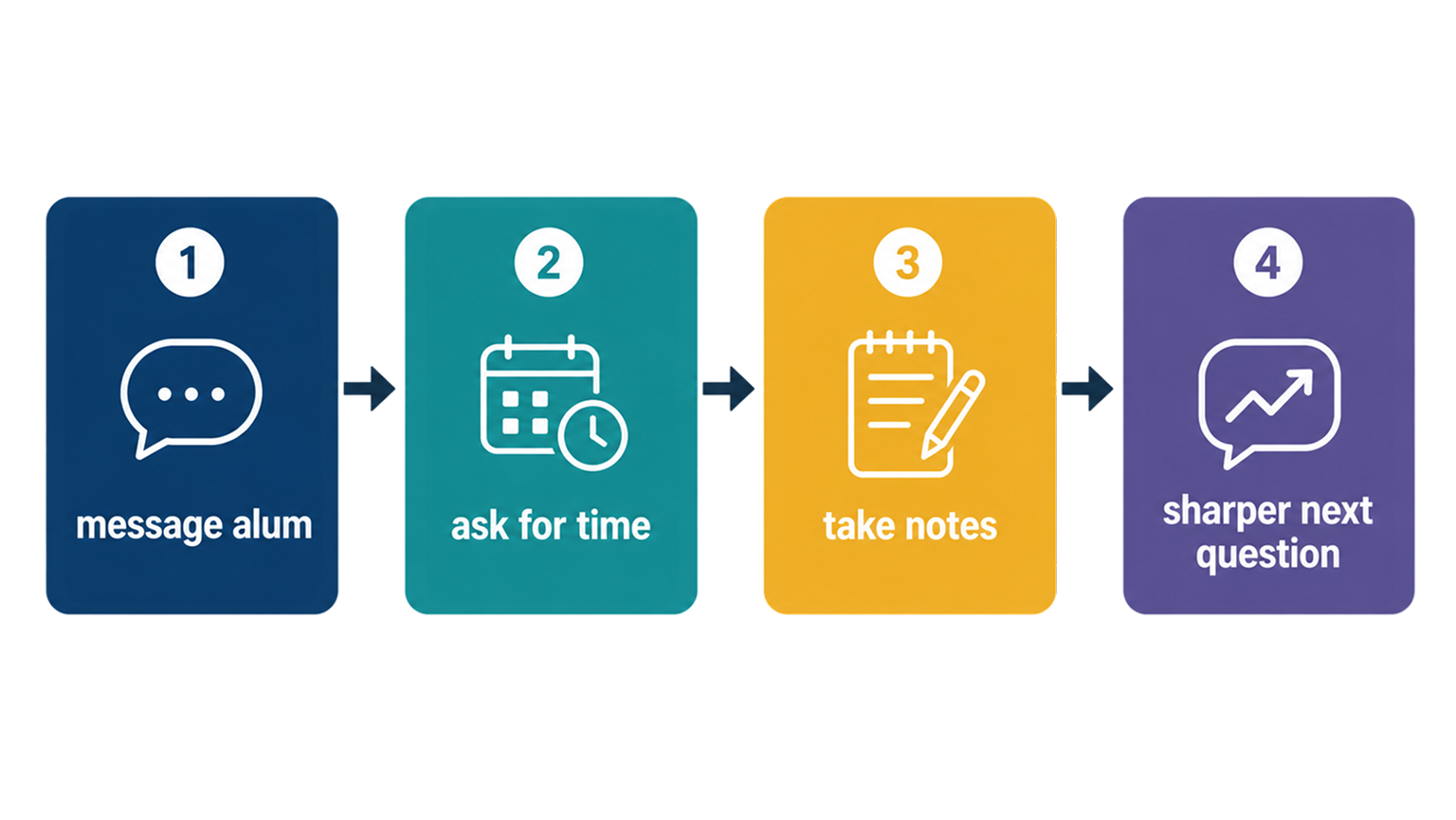
The knowledge mattered less than the change in how I saw the calls. I stopped treating each one as a test I could fail and started treating it as another way to understand how someone thinks. I'd message alumni between classes, ask for time, take real notes, and bring sharper questions to the next conversation. One hour in the library with a trader who'd graduated from my school taught me more about reading a person than any prep doc had. Most calls didn't go that deep, but enough did to change how I worked.

Handling rejection and self-doubt during recruiting
That semester I watched classmates collect offers while I had nothing, and the self-doubt crept back in. The thing that steadied me was hearing my mentor tell my dad I was close, that I just needed two or three more final rounds.
So in the last phase I cleared the noise. With only a few interviews left, I poured everything into each one. I made a line-by-line resume Q&A document so every bullet had a concrete example behind it. I kept 231 pages of market notes for daily upkeep and a tighter 50-page technical set for interviews, plus handwritten points for each specific role. Mornings went to updating the market, evenings to reviewing the day's mock interviews. Most of all, I learned to walk in calm and prepared.
My BlackRock final round ended late at night. I lay in bed thinking only that I'd done everything I could. The offer call came a few days later, for a summer internship at the firm's New York headquarters.
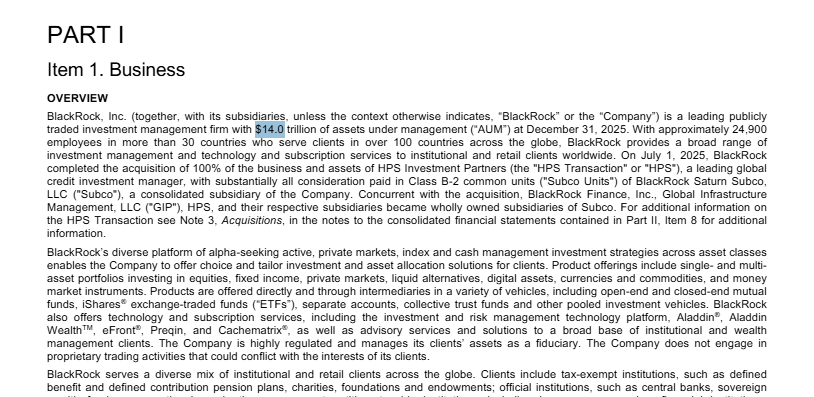
According to BlackRock's 2025 annual report, the firm managed about $14.0 trillion in assets at year-end, the largest of any investment manager in the world, which is part of why the role felt worth the whole stretch.
What I'd tell someone earlier in the process
I applied to too few things, too late, before I understood that more applications just mean more interviews, and that even a round in a field you don't know works as live practice. The breadth only helped once I'd also found one or two areas I actually cared about, because that's what made me sound different from the next candidate in the room. And the rejections never stopped feeling normal, because they are normal. A dozen in a row in the short run says nothing, and over the long run nobody can tell which near-miss ends up mattering. What I could control was how much I kept learning, so that's where I put my attention.
Free Career Planning Session
Book a free 1-on-1 session with an OSG mentor and map out your path to top firms!
Book Your Free Session →Ready to Write Your Own Success Story?
Book a free 1-on-1 session with an OSG mentor and map out your path to top firms!
Book Your Free Session →Explore More Resources



Frequently Asked Questions
Yes. This case shows a math and economics sophomore landing a BlackRock asset management internship after starting with almost no market knowledge. The deciding factor was nine months of consistent prep and a shift in mindset, not an early head start.
Build daily market fluency first. The student here recited monthly CPI, PPI, jobs, and GDP prints, wrote weekly market analysis, and kept a behavioral question bank plus a line-by-line resume Q&A. Consistency over nine months mattered more than any single resource.
It helps students who have the drive but lose direction partway through recruiting. One Strategy Group worked with this student on both market prep and the harder mindset side, the part where motivation stalls. Its coaching suits people who need structure, not just answers.



.jpg)